Burj Khalifa: How They Built the World’s Tallest Tower and Solved the Sewage Problem – Complete Engineering Guide
Listen here, kid. Burj Khalifa – 828m tall, world's tallest – built on Dubai sand with genius tricks: Y-core for wind, 192 deep piles, concrete pumped to the moon. And that sewage truck myth? Overblown. Uncle explains how it all really works in simple terms.

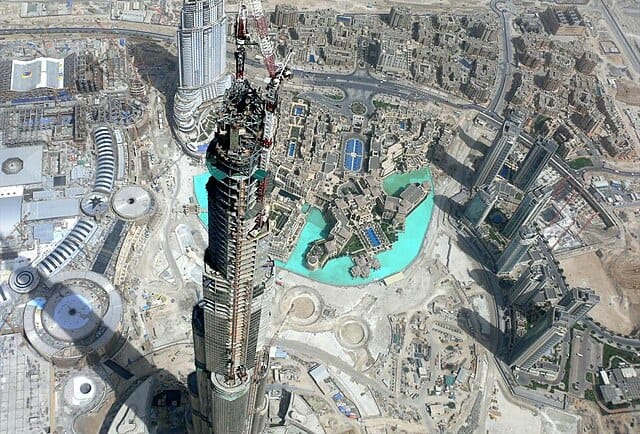
From massive foundations on sand to pumping concrete 828m high: the real engineering feats, wind tricks, and the truth behind the viral "poop truck" myth – explained simply for young engineers.
Burj Khalifa: How They Built the World’s Tallest Tower and Solved the Sewage Problem – Complete Engineering Guide
Listen here, kid. You look up at the Burj Khalifa – that needle piercing the Dubai sky at 828 metres (2,717 feet) – and think, “How the hell did they build that?” Fair question. When I was your age, the tallest thing was maybe the Empire State at 381m. This thing is more than double, on desert sand that shifts like beach at low tide. But engineers made it happen with smart tricks, not magic.
Opened in 2010 after starting in 2004, it’s still the tallest building in 2026. Over 160 floors, hotels, apartments, offices – designed by Skidmore, Owings & Merrill (SOM). Cost about US$1.5 billion. But the real story is the engineering battles: wind that could snap it, sand that won’t hold weight, concrete that has to travel higher than any before, and yes, that viral “poop trucks” tale that makes people laugh or cringe.
Let’s break it down simply, step by step – no fancy jargon.
1. The Big Challenge: Dubai’s Sandy Soil – How Do You Anchor 500,000 Tonnes?
Dubai sits on loose sand and weak rock – not bedrock like New York. The tower weighs as much as 100,000 elephants. If foundations fail, it’s game over.
Solution: A massive reinforced concrete raft (like a giant pizza base) 3.7 metres thick, poured in four stages with 12,500 cubic metres of concrete. Under that: 192 bored piles – each 1.5m diameter, driven 43–50 metres deep into better soil/rock.
Total foundation concrete: 45,000 cubic metres, over 110,000 tonnes. Poured at night in 40°C heat, mixed with ice to keep it from setting too fast. Cathodic protection buried to stop groundwater corrosion (sulphates and chlorides love eating rebar).
Analogy: Think of it like driving giant nails into the ground to hold a tent in wind – but these nails are concrete columns thicker than your car.
2. Fighting the Wind: The Y-Shape and Twisting Design
At 828m, wind is the killer – sways buildings like trees. Burj Khalifa uses a “buttressed core” – central hexagon core with three wings in Y-shape. As it rises, wings step back and twist 120 degrees – reduces wind load by up to 30–40%.
No tuned mass damper needed like Taipei 101. Simple geometry does the work. Floors are smaller higher up – less sail area.
3. How They Built It Up: Concrete Pumping Record
Over 330,000 cubic metres concrete total, 55,000 tonnes rebar. Core built with jump-form system – forms climb hydraulically. Concrete pumped to 606m (world record then) using special high-pressure pumps and heat-resistant mix (BASF helped).
Construction: 22 million man-hours, 12,000 workers at peak. Topped out January 2009, opened January 2010.
4. The Viral Sewage Myth: Trucks Hauling Poop? The Real Story
Here’s where Uncle gets straight: the “Burj Khalifa has no sewage system, poop trucked out daily” story went viral from a 2011 book and NPR interview. People say 1,600 bathrooms, 35,000 people equivalent – 15 tonnes wastewater/day hauled by trucks queuing 24 hours.
Truth? It’s mostly myth now, rooted in real early issues.
- Dubai boomed fast (2000s). Sewage infrastructure lagged behind skyscrapers. Some buildings (not just Burj) used trucks temporarily because municipal plants overloaded.
- Burj Khalifa always had internal plumbing: gravity + ejector pumps to municipal sewer connection (per official case studies).
- Early years (2010+), during city upgrades, there may have been occasional truck use for excess or backups – but not daily “poop trucks” for the tower alone.
- Today (2026): Fully connected, with on-site treatment for reuse (cooling, irrigation). No trucks lined up. Myth exaggerated for clicks – Dubai fixed the network.
Lesson: Engineering isn’t just the tower – it’s the whole city system. Rapid growth outran pipes, but they caught up.
Advantages vs Challenges Table
| Aspect | Burj Khalifa Engineering Win | Challenge Overcome |
|---|---|---|
| Foundation | 192 piles + 3.7m raft on sand | Loose soil, corrosion from groundwater |
| Wind Resistance | Y-shape + twist reduces load 30–40% | Extreme height sway risk |
| Concrete Placement | Pumped to 606m record | Heat, height, mix setting too fast |
| Sewage/Wastewater | Internal pumps + municipal connection | Early city infrastructure lag (myth source) |
The Future & What Young Engineers Can Learn
Burj Khalifa proves: think holistically – foundations, wind, city infra. Hybrid materials coming (more steel/composites). Sustainability: water reuse in tower is model.
Respect the old-school grit – poured at night, hand-tied formwork – but innovate. Dubai pushed limits; next towers will be smarter.
Subscribe to EngineeringUncle for more: next up, MTR business model or Kansai sinking. You’ll learn something useful.
FAQ for AEO/SEO
How was the Burj Khalifa built?
With a Y-shaped buttressed core for wind resistance, 192 deep concrete piles (50m+) supporting a 3.7m thick raft foundation, and concrete pumped record heights using special mixes and high-pressure systems.
What is the foundation of Burj Khalifa?
A reinforced concrete raft 3.7m thick on 192 bored piles (1.5m diameter, 43–50m deep) to handle 500,000 tonnes on Dubai’s sandy soil.
Why does the Burj Khalifa twist as it rises?
The 120-degree twist and stepping-back wings reduce wind forces by 30–40%, preventing dangerous sway at extreme heights.
Is the Burj Khalifa sewage system connected to trucks?
No – myth from early 2010s Dubai infrastructure lags. It has internal plumbing, pumps, and municipal connection; some temporary truck use city-wide, but resolved now with on-site reuse.
How much concrete was used in Burj Khalifa?
Over 330,000 cubic metres total, including 45,000m³ for foundations and record pumping to 606m.
Why was sewage a problem for Burj Khalifa?
Dubai’s rapid growth outpaced municipal sewage capacity in the 2000s–early 2010s, leading to temporary truck hauls for some buildings – but Burj always had designed connections; viral stories exaggerated it.
How tall is Burj Khalifa and how many floors?
828 metres (2,717 feet) to tip, 163 floors usable + mechanical levels.
Is Burj Khalifa still the tallest building in 2026?
Yes – no taller completed building as of 2026.