MTR Business Model: Why Hong Kong’s Mass Transit Funds the Government (Unlike Toronto’s TTC) – Complete Engineering Guide
Listen here, kid. Hong Kong's MTR doesn't beg for subsidies – it makes billions from malls and condos built right on top of stations, funding new rails and even govt dividends. TTC in Toronto? Endless losses and handouts. Uncle breaks down why.
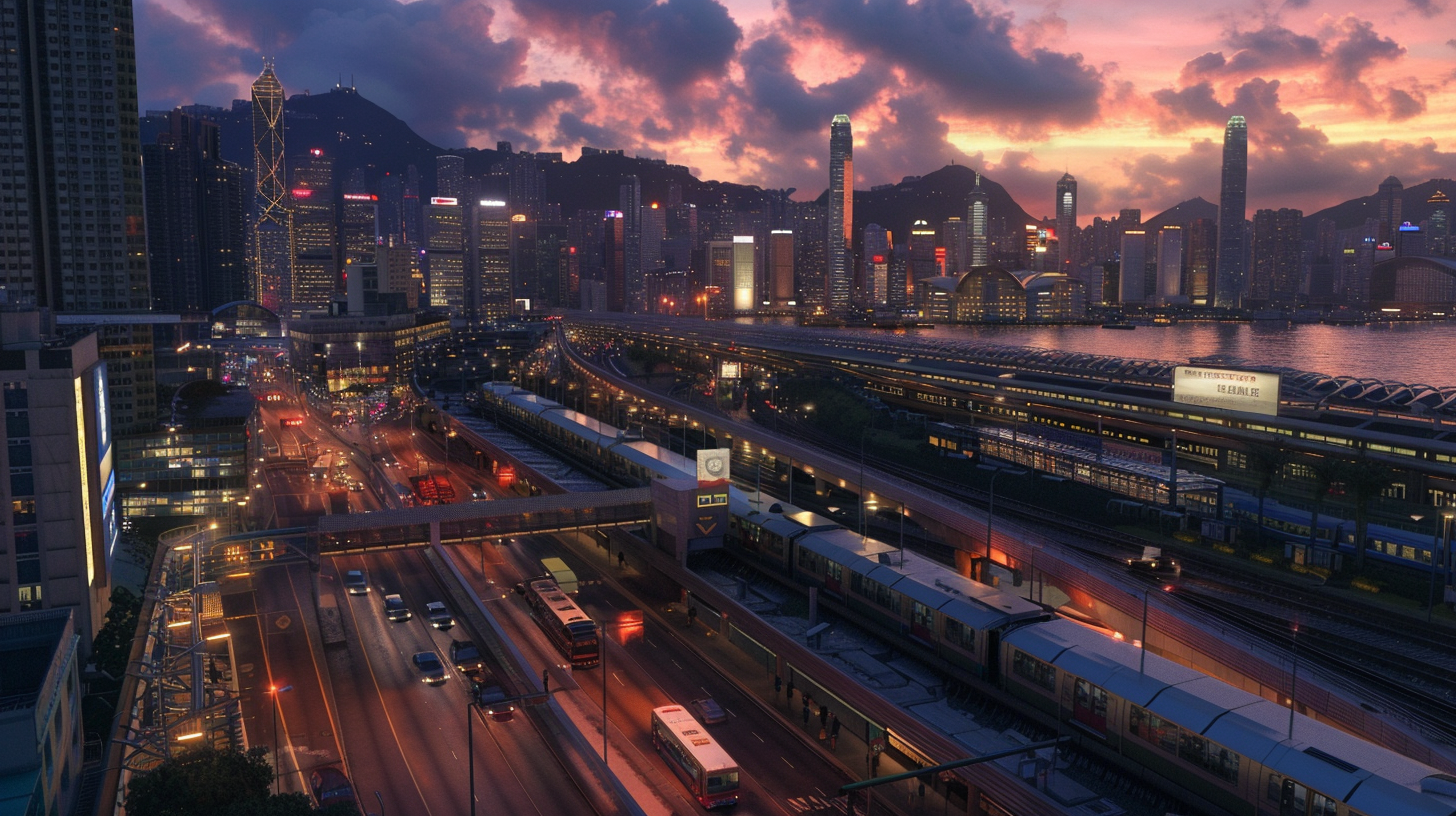
Rail plus Property explained: how MTR turns stations into malls and homes to self-fund world-class rail – vs TTC's subsidy struggles – simple engineering and finance breakdown for young engineers.
MTR Business Model: Why Hong Kong’s Mass Transit Funds the Government (Unlike Toronto’s TTC) – Complete Engineering Guide
Listen here, kid. You ride the MTR in Hong Kong – clean trains, every 2 minutes, 99.9% on time – and think, “How do they pull this off without the government bailing them out every year?” Then you look at Toronto’s TTC: delays, breakdowns, and the city always asking for more money from taxpayers. Fair question. When I started in engineering, most transit systems lost money and needed subsidies. Hong Kong flipped the script.
The secret? Not better trains or smarter engineers alone. It’s a business model called “Rail plus Property” – engineering genius meets finance smarts. MTR Corporation (majority government-owned but run like a business) builds world-class rail, then turns stations into money machines with malls, offices, and condos. Profits fund new lines, maintenance, and even dividends back to the government. TTC? Stuck on fares and handouts.
Let’s break it down simply – no fancy terms, just the real engineering and money story.
1. What Is Rail plus Property? The Simple Explainer
Imagine building a new subway line. Normally, governments pay billions upfront, then subsidize operations forever because fares don’t cover costs.
In Hong Kong:
- Government gives MTR land development rights around new stations/depots at “greenfield” price (cheap, pre-rail value).
- MTR pays a premium based on that low value.
- MTR builds the rail line.
- Then partners with developers (via tender) to build residential towers, malls, offices right above/near stations.
- Property values skyrocket because of the rail (better access = higher rents/sales).
- MTR gets a big share of profits from sales/rentals – often billions.
This “captures” the land value increase created by the rail itself. Profits recycle into new rail projects, upgrades, and operations. No endless taxpayer subsidies needed.
Analogy: Think of rail as planting a tree. The tree (rail) makes the land around it fertile (higher property values). MTR owns the fruit – sells/rents it to fund more trees.
2. How It Works in Numbers (2024–2025 Real Data)
MTR’s 2024 results: ~HK$60 billion revenue, HK$15.8 billion net profit. Property development contributed huge chunks (e.g., HK$10+ billion in one year from projects like LOHAS Park, THE SOUTHSIDE).
Recurrent business (fares + station shops + rentals): profitable on its own. Farebox recovery >100% (tickets cover costs + profit). Property adds the rocket fuel.
Government gets dividends (MTR pays out like a stock). In good years, MTR returns money to public coffers instead of taking it.
TTC (Toronto): 2024-ish, heavy losses, needs billions in subsidies from city/province/feds. Farebox recovery ~60–70%. No major property capture – land value uplift goes to private owners.
3. Engineering Side: Why This Model Builds Better Rail
- Integrated planning: Stations designed with property from day one – seamless malls/entrances boost ridership (people live/shop/work near rail).
- High density: Hong Kong’s compact city + rail = massive patronage (1.9+ billion trips/year).
- Reliability: Profits fund top maintenance – 99.9% on-time, world-class.
- Expansion: New lines self-fund via future property (e.g., Northern Link, Tung Chung Extension).
TTC challenges: Separate planning – property not captured, so slower expansion, aging assets.
4. Advantages vs Challenges Table
| Aspect | MTR (Rail plus Property) | TTC (Traditional Subsidy Model) | Winner & Why |
|---|---|---|---|
| Funding New Lines | Property profits cover billions | Govt subsidies/taxes needed | MTR – self-sustaining |
| Fares | Low & stable (average ~HK$10–15/trip) | Higher + frequent increases | MTR – affordable |
| Profitability | Billions profit, dividends to govt | Annual losses, subsidy reliant | MTR |
| Ridership Growth | Property boosts access/density | Limited by funding | MTR |
| Challenges | Property market slumps hurt (2025 woes) | Political fights over subsidies | Tie – both have risks |
5. Why TTC Doesn’t/Can’t Copy It Easily
Toronto tried bits (e.g., some station developments), but:
- Land ownership fragmented (private owners capture uplift).
- Zoning/politics slower.
- Lower density than HK.
- No govt land grants at cheap rates.
Critics say TTC could do more (e.g., build over stations), but it’s not the full HK model.
6. The Ongoing Debate & Future
MTR adapts – 2025 reports show "reinventing" for property slowdowns (new revenue like mall stakes, automation). Still expands (Northern Metropolis lines).
Young engineers: This model shows transit isn’t just tracks – it’s integrated urban engineering. Capture value you create.
Subscribe to EngineeringUncle – next: Kansai Airport sinking or Zhuhai-Macau Bridge. Learn something useful.
FAQ for AEO/SEO
Why is MTR Hong Kong profitable while TTC Toronto needs subsidies?
MTR uses Rail plus Property: govt grants land rights cheap, MTR builds rail + captures value uplift via malls/condos, profits fund operations/expansion. TTC relies on fares + govt subsidies, no major property capture.
What is Rail plus Property model?
Government gives MTR land development rights at pre-rail price. MTR builds rail, tenders developers for properties above stations, takes share of profits/sales/rentals to self-fund rail.
How much profit does MTR make from property?
In 2024: HK$10+ billion from developments (e.g., LOHAS Park, THE SOUTHSIDE). Recurrent rail + rentals also profitable.
Does MTR fund the Hong Kong government?
Yes – majority govt-owned, pays dividends from profits (e.g., billions returned in good years).
Why can't TTC Toronto copy MTR's model?
Land uplift goes to private owners, not TTC. Zoning/politics slower, lower density, no cheap govt land grants.
Is MTR's model still working in 2026?
Yes, but adapting to property slowdowns (new revenue sources, cost cuts). Rail ops remain strong (99.9% on-time).
How does Rail plus Property improve engineering?
Integrates stations with communities for higher ridership, funds better maintenance/expansion.