Science Behind Bamboo Scaffolding: Why Hong Kong Still Uses It in 2026 – Complete Engineering Guide
Listen here, kid. Hong Kong towers wrapped in giant bamboo cages? In 2026, after deadly fires, why not steel? Centuries of cheap, flexible engineering beats typhoons… but fire risks and safety issues are real. Uncle explains the science simply.
From centuries-old tradition to modern high-rises: the material science, advantages, fire risks, and why metal is taking over – explained simply for young engineers.
Science Behind Bamboo Scaffolding: Why Hong Kong Still Uses It in 2026 – Complete Engineering Guide
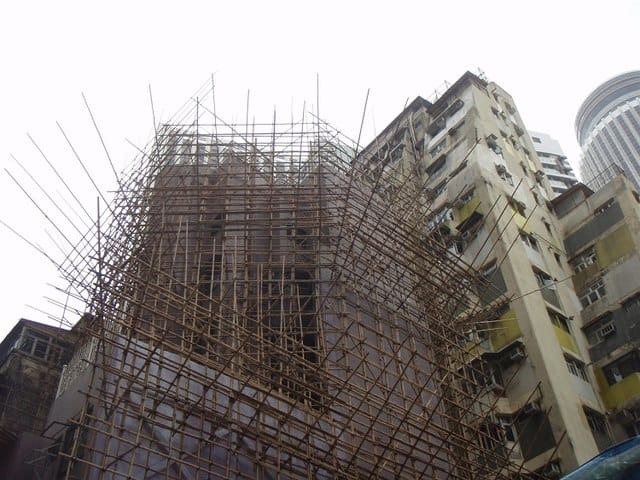
Listen here, kid. You walk through Causeway Bay or Mong Kok and look up — fifty, sixty stories of shiny glass and steel wrapped in what looks like a giant bird’s nest made of sticks. That’s bamboo scaffolding. And in 2026, after all the headlines about fires and the government talking about “phasing it out,” a lot of young engineers and folks from other fields are asking me the same question: “Uncle, why hasn’t Hong Kong switched to steel like everywhere else?”
Fair question. But the real answer isn’t as simple as “bamboo is old and dangerous.” So grab a coffee, sit down, and let your old uncle explain this the way I wish someone had explained it to me when I was your age — straight, no fancy words, just the engineering truth.
Where Bamboo Scaffolding Came From (and Why It’s Basically Only in Hong Kong)
Bamboo scaffolding isn’t some Hong Kong invention. It started in ancient China more than 2,000 years ago. Back then, builders in the south used the giant grass that grew everywhere because it was free, strong, and light. When the British took Hong Kong in the 1800s, the local Chinese workers brought the technique with them. After World War II, when Hong Kong exploded into skyscrapers, the method got perfected here.
Why only Hong Kong today? Three simple reasons:
- We have the world’s best bamboo scaffolders — old masters who learned from their fathers. There are still about 2,500–3,000 of them who know exactly how to tie the knots and read the wind.
- Our city is crazy dense with narrow streets and weird-shaped buildings. Bamboo can be cut and tied on the spot to fit anything.
- Typhoons. Hong Kong gets hit hard every year. Bamboo bends like a tree and shakes off the wind energy. Steel is stiffer and can shake itself apart if not designed perfectly.
Mainland China and Singapore switched to metal years ago because they wanted everything standardized and “modern.” Hong Kong kept the old way because it actually works here — until the government started pushing change.
How Bamboo Scaffolding Actually Works (Simple Explainer)
Picture this: no bolts, no welding, no fancy tools. Just bamboo poles and nylon or rattan ties.
- Vertical poles (called standards) go up like columns.
- Horizontal poles (ledgers) connect them like shelves.
- Diagonal braces stop it from swaying sideways.
- Workers tie every joint with a special knot — basically a double clove hitch that tightens when you pull on it.
The whole thing is tied back to the building every few metres so it can’t fall outward. Platforms are laid on top with planks or metal boards. That’s it. A good team of six scaffolders can wrap a 20-storey building in a week. Try doing that with heavy steel tubes and you’ll need cranes everywhere.
Bamboo 101: Nature’s Smart Engineering Material
Bamboo isn’t wood — it’s a giant grass that grows crazy fast (up to 5 cm a day). The kind we use in Hong Kong reaches full strength in 3–5 years.
Here are the numbers I always show young engineers:
- Tensile strength (pulling): up to 300 MPa — actually stronger than mild steel in some directions
- Compressive strength (pushing): 50–80 MPa
- Weight: a 7-metre pole is only 8–9 kg (steel tube same length is 15–30 kg)
- Flexible: it bends without breaking, perfect for typhoons
Analogy time: Think of bamboo like nature’s carbon-fibre tube — hollow, super strong walls, lightweight, and it sways instead of snapping.
The Big Advantages (Why Contractors Still Love It)
| What Matters | Bamboo Scaffolding | Steel Scaffolding | Winner in Hong Kong |
|---|---|---|---|
| Cost per pole (7m) | HK$10–30 | HK$200–500+ | Bamboo |
| Weight per pole | 8–9 kg (one man can carry) | 15–30 kg (needs crane or two men) | Bamboo |
| Speed of setup | Extremely fast, hand-tied | Slower, needs clamps and cranes | Bamboo |
| Fits weird buildings | Cut and tie on site | Standard sizes only | Bamboo |
| Typhoon performance | Bends and absorbs wind | Rigid — can fatigue | Bamboo |
In a city where every square metre costs a fortune and streets are tiny, these numbers matter a lot.
The 2025 Tai Po Fire – What Really Happened
November 2025, Wang Fuk Court in Tai Po. Tragic fire, terrible loss of life. The news blamed “bamboo scaffolding” and suddenly everyone wanted it gone.
But let’s be honest, kid — that’s not the full story. The fire started on a renovation floor. The real fuel? Cheap, non-fire-retardant green safety netting and Styrofoam boards that were not supposed to be there. The bamboo poles caught fire later and helped the flames spread upward. Yes, bamboo burns. But here’s the part the newspapers missed: in that same intense heat, steel scaffolding wouldn’t have “melted” (steel doesn’t melt until 1,500°C), but it would have lost half its strength at 550°C and could have collapsed suddenly without warning.
The government used the fire as a reason to speed up the phase-out. In March 2025 they had already said at least 50% of new public projects must use metal. After the fire they started talking about doing more.
The Real Disadvantages and Why Safety Matters
Bamboo is a natural material, so every pole is slightly different. It can split if it gets too wet or old. And yes, it burns. Falls during erection and dismantling have also taken lives over the years.
But here’s where your uncle gets serious with the young planners in government: swapping everything to steel isn’t free or easy.
- Steel costs 5–10 times more. Construction prices in Hong Kong would jump.
- There’s already a global steel shortage — prices go crazy every year.
- Steel is heavy. Workers can’t just hand-carry poles up 30 storeys in narrow alleys. You need more cranes, more space, more time. On old estates that means closing roads longer.
- A lot of the old bamboo masters are in their 50s and 60s. They know bamboo like the back of their hand. Steel needs different skills and training that isn’t fully ready yet.
Ongoing Debate: Smart Safety or Knee-Jerk Policy?
Right now in 2026 the government is pushing metal for public works, but private jobs still use bamboo a lot. Unions, scaffolders, and some engineers are speaking up: “We agree safety first — but don’t throw away a system that works in Hong Kong just because it looks old.”
Many experts (including fire engineers) say the smarter move is better fire-retardant treatments, mandatory proper netting, stricter inspections, and maybe hybrid systems (steel posts with bamboo braces). That way we keep the cost and flexibility advantages while fixing the real risks.
What the Future Looks Like
Bamboo won’t disappear overnight. It will probably stay for small repairs, heritage buildings, and jobs where speed and light weight matter most. For big public towers, metal will take over slowly. Young engineers like you can help by designing better hybrid systems or better fire protection for bamboo.
The point is: respect the old ways — they were invented by smart people who didn’t have fancy computers. But don’t be afraid to improve them either.
Listen, kid — that’s the real engineering story behind those bamboo cages you see every day in Hong Kong. Not just tradition. Not just danger. A smart, cheap, flexible solution that still makes sense in our crazy city… even if the government is slowly pushing it aside.
If you learned something today, do your old uncle a favour and subscribe to EngineeringUncle. Next month we’re breaking down why the MTR actually makes money for the government while Toronto’s TTC keeps asking for handouts. You’ll like that one.
FAQ
Why does Hong Kong still use bamboo scaffolding in 2026?
Because it is cheap (HK$10–30 per pole), very light, fast to erect by hand, and flexible in typhoons. It fits Hong Kong’s dense, irregular buildings perfectly — even though the government is slowly pushing metal for public projects.
What caused the 2025 Tai Po fire involving bamboo scaffolding?
The fire started on a renovation floor with cheap, non-fire-retardant safety netting and Styrofoam boards. The bamboo poles caught fire later and helped spread the flames, but they were not the ignition source.
Is bamboo scaffolding being phased out in Hong Kong?
Yes, gradually. Since March 2025, at least 50% of new public building works must use metal scaffolding. Private jobs still use bamboo a lot, but stricter rules are coming after the 2025 fires.
Would steel scaffolding be better in a big fire?
Steel is non-combustible so it doesn’t add fuel, but in intense heat it loses half its strength at around 550°C and can collapse suddenly. It also costs much more and is heavier.
Why is replacing all scaffolding with steel difficult in Hong Kong?
Steel is 5–10 times more expensive, there are global shortages, it is much heavier (needs more cranes), and workers cannot carry it easily in narrow streets. Many old bamboo masters would also need retraining.
How does bamboo scaffolding work?
Workers tie vertical and horizontal bamboo poles together with nylon knots to create a flexible lattice tied back to the building. No bolts or welding needed. It is fast and can be shaped to fit any building.
Is bamboo scaffolding safe?
When built to Hong Kong Labour Department codes and with proper fire-retardant netting, it is structurally safe for normal use and typhoons. The main risks are falls during erection and fire spread if cheap materials are used.
Why is bamboo scaffolding almost only used in Hong Kong?
It originated in ancient China but was perfected in Hong Kong after WWII. The city has the skilled masters, typhoon conditions, and dense building shapes that make bamboo practical here while other places switched to metal for standardization.