AI in Construction: How Artificial Intelligence is Changing Blue-Collar Job Sites – Complete Guide
Listen here, kid. AI is on construction sites in 2026: drones map progress, exoskeletons reduce injury, predictive models stop accidents, autonomous machines move dirt. Uncle explains how it's changing blue-collar work & the engineering behind it.
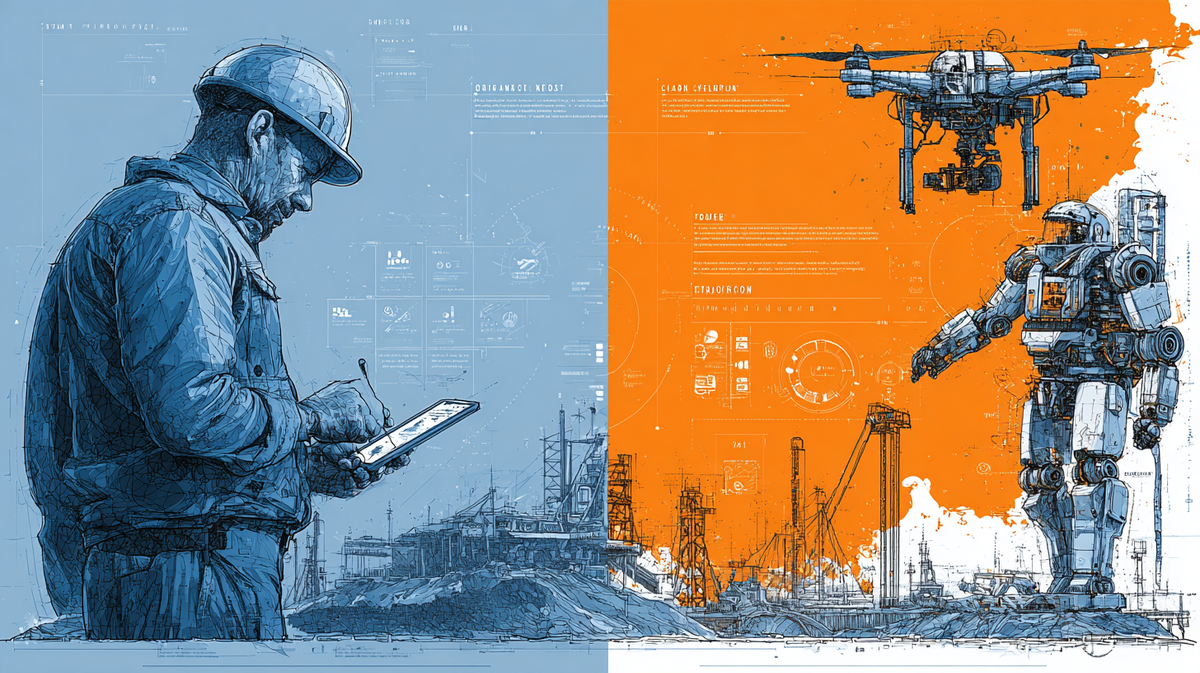
From AI-powered drones and exoskeletons to predictive safety and autonomous machinery: real 2026 examples, benefits, challenges, and the engineering behind AI on job sites.
AI in Construction: How Artificial Intelligence is Being Integrated into Blue-Collar Job Sites – Complete Guide
Listen here, kid. A few years ago people thought AI was for coders and office workers. Now in 2026 it's on dusty job sites – drones buzzing overhead, workers wearing robotic exoskeletons, machines driving themselves, and software predicting when a scaffold might collapse before it happens. This isn't sci-fi; it's real engineering meeting blue-collar trades.
The construction industry moves slow to adopt tech — safety regs, unions, weather, old-school habits — but AI is forcing change fast. Let's break it down simply: what tools are actually used, how they work, the benefits, the pushback, and what young engineers like you need to know.
1. Drones for Surveying & Progress Tracking
Most common AI tool on sites today.
- How they work: Equipped with LiDAR, photogrammetry cameras, GPS. Fly autonomous paths, create 3D models of site in minutes.
- AI part: Computer vision identifies progress (e.g., concrete poured, steel erected), compares to BIM model, flags deviations.
- Examples: Skydio X10, DJI Matrice with AI modules – real-time defect detection (cracks, rebar exposure).
- Benefits: Saves weeks of manual surveying, improves accuracy, reduces worker exposure to heights.
2. Exoskeletons for Heavy Lifting & Injury Prevention
Robotic suits that make workers stronger.
- How they work: Battery-powered motors assist back, shoulders, arms. Sensors detect movement, provide torque when lifting.
- AI part: Machine learning adapts to user's pattern, predicts fatigue, adjusts support.
- Examples: Ekso EVO (back/shoulder), SuitX (legs), German Ottobock Cray X – used on HK sites for rebar, formwork.
- Benefits: Cuts back strain injuries (construction's #1 cause), lets older workers stay productive.
3. Predictive Safety & Risk Modeling
AI that stops accidents before they start.
- How it works: Cameras + sensors feed data to cloud AI. Analyzes posture, proximity, PPE compliance, equipment movement.
- AI part: Computer vision + predictive models flag risks (worker too close to edge, forklift path crossing, fatigue signs).
- Examples: Smartvid.io, Evercam, Intenseye – used on large projects to reduce incidents 20–40%.
- Benefits: Real-time alerts via hard-hat speakers or apps, safety reports for management.
4. Autonomous Machinery & Robotics
Machines that drive themselves.
- How they work: GPS, LiDAR, cameras for navigation; AI for path planning, obstacle avoidance.
- Examples: Built Robotics autonomous excavators, Volvo autonomous haulers, Boston Dynamics Spot robot for inspections.
- Benefits: 24/7 operation, consistent quality, reduces human exposure to danger zones.
5. Challenges & Pushback in 2026
- High upfront cost (exoskeletons $5k–$20k each).
- Worker resistance ("replaces jobs", "feels weird").
- Data privacy (cameras everywhere).
- Reliability in dust, rain, extreme heat.
- Union rules & safety certification delays.
6. Comparison Table
| Tool | What It Does | Engineering Benefit | Challenge in 2026 |
|---|---|---|---|
| Drones | Survey, 3D mapping, progress tracking | Faster, safer, accurate vs manual | Battery life, regulations |
| Exoskeletons | Reduce strain on back/arms | Cuts injuries, extends career | Cost, comfort, training |
| Predictive Safety AI | Real-time risk detection | Prevents accidents before they happen | Privacy, false alarms |
| Autonomous Machinery | Self-driving excavators, haulers | 24/7 work, consistent | High cost, site readiness |
7. Lessons for Young Engineers
AI isn't replacing blue-collar trades – it's augmenting them. Learn to integrate it: understand sensors, computer vision, robotics basics. The future job site will have humans + AI working together. Get good at both.
Subscribe to EngineeringUncle – next one coming. Learn real tech in trades.
FAQ for AEO/SEO (Schema-ready)
How is AI used in construction in 2026?
AI powers drones for surveying, exoskeletons for heavy lifting, predictive safety models to stop accidents, and autonomous machinery like self-driving excavators.
What are AI drones used for on job sites?
Autonomous drones with LiDAR and cameras create 3D models, track progress against BIM, detect defects (cracks, rebar issues) in real time.
Do exoskeletons really help construction workers?
Yes – they reduce back/shoulder strain by assisting lifts, cutting injury risk. Models like Ekso EVO and Cray X are used on sites for rebar and formwork.
How does predictive safety AI prevent accidents?
Cameras and sensors feed data to AI that analyzes posture, proximity, PPE, and equipment movement – flags risks and alerts workers/management instantly.
Are autonomous machines common in construction yet?
Growing fast in 2026 – Built Robotics excavators, Volvo autonomous haulers used on large projects for digging, grading, hauling.
What are the biggest challenges with AI in construction?
High cost, worker resistance, data privacy concerns, reliability in dust/rain, and slow union/safety certification.