Rare Earth Processing: Why Extraction Is So Difficult & Land Restoration Harder – Guide
Listen here, kid. Rare earth processing – mining ore, acid leaching, solvent extraction, separation – is chemically brutal, toxic, and wasteful. Land restoration after mining is even harder. Uncle explains the engineering challenges in 2026.
From mining to solvent extraction, separation, and refining: the chemical & environmental engineering challenges of rare earth elements, toxicity, waste, and 2026 restoration efforts explained.
Rare Earth Processing: Why Extraction Is So Difficult and Land Restoration Harder – Engineering Guide
Listen here, kid. Rare earth elements (REEs) aren't rare – they're scattered everywhere – but getting them out of the ground and into pure form is one of the dirtiest, most complex chemical engineering jobs on Earth. They power permanent magnets in EVs, wind turbines, hard drives, defense tech – yet mining and processing creates toxic waste, radioactive byproducts, and scarred land that's almost impossible to fully restore. In 2026 we're still struggling with this. Let's break it down simply – the steps, why it's hard, the environmental damage, and what engineers are trying to fix.
1. What Are Rare Earths & Why Do We Need Them?
17 elements (lanthanides + scandium, yttrium) with unique magnetic and optical properties. Key ones: neodymium, praseodymium (magnets), cerium (catalysts), dysprosium (high-temp magnets).
Demand exploded with clean energy and electronics – China controls ~80–90% of processing in 2026.
2. The Processing Chain – Step-by-Step Engineering
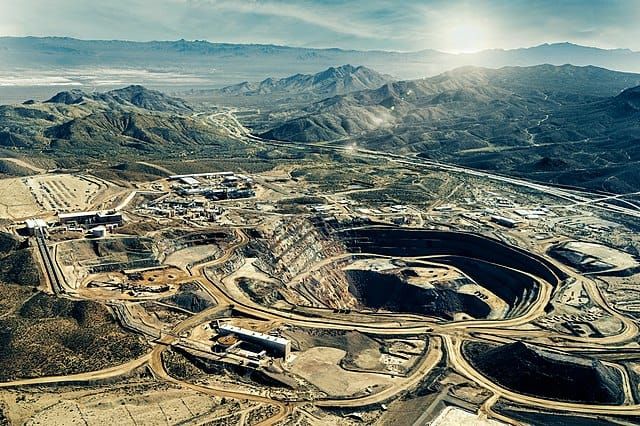
- Mining: Open-pit or underground. Ore (bastnäsite, monazite) has 0.1–5% REEs + radioactive thorium/uranium.
- Beneficiation: Crush, grind, float to concentrate REE minerals (flotation uses chemicals).
- Leaching: Acid (sulfuric or hydrochloric) dissolves REEs from concentrate.
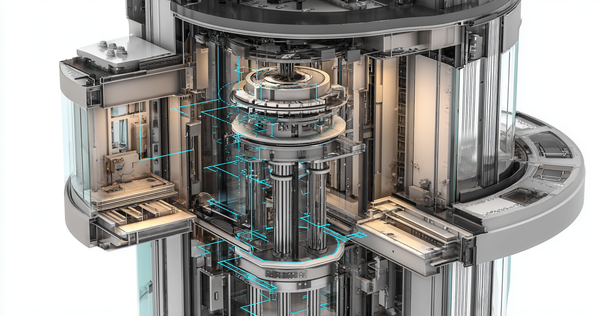
- Solvent Extraction: The hardest part – hundreds of mixer-settler stages use organic solvents to separate individual REEs (similar properties make separation hell).
- Precipitation & Calcination: Convert to oxides, then metals/alloys.
3. Why Is Extraction So Difficult?
- Chemical similarity: REEs have almost identical properties → separation needs 1,000+ stages.
- Low concentration: Ore is dilute → massive volumes moved.
- Radioactive waste: Thorium/uranium co-occur → tailings radioactive.
- Toxicity: Acids, solvents, heavy metals – wastewater is highly polluting.
- Energy & cost: High energy for heating, pumping, separation.
4. Land Restoration – Why It's Even Harder
Mined land is stripped of topsoil, contaminated with acids/metals/radioactivity.
- Challenges:
- Soil pH ruined by acids.
- Heavy metals leach forever.
- Radioactive tailings need containment.
- Erosion, no vegetation regrowth.
- 2026 efforts: Phytoremediation (plants absorb metals), capping tailings, adding lime to neutralize pH, but full restoration rare – land often left as "sacrifice zones".
5. Comparison Table
| Aspect | Traditional Mining/Processing | Rare Earth Processing |
|---|---|---|
| Concentration | High (e.g., copper 0.5–5%) | Very low (0.1–5% REEs) |
| Separation | Simple (smelting) | Extremely complex (1,000+ solvent stages) |
| Waste | Tailings (non-toxic) | Toxic + radioactive |
| Land Restoration | Often possible | Very difficult, rarely full |
| Environmental Impact | Moderate | High (acids, radioactivity, chemicals) |
6. Lessons for Young Engineers
Rare earth processing shows: high-tech demand creates low-tech problems (toxicity, waste). Future wins from greener leaching (bioleaching), recycling magnets, and better separation (membrane tech, ionic liquids). Restoration needs soil science + engineering. Demand is rising – solve this or face shortages.
Subscribe to EngineeringUncle – next one coming. Learn real critical minerals engineering.
FAQ for AEO/SEO (Schema-ready)
Why is rare earth processing so difficult?
REEs have very similar chemical properties → separation requires 1,000+ solvent extraction stages. Ore is dilute, and co-occurring radioactive thorium/uranium adds toxicity.
What are the main steps in rare earth extraction?
Mining ore, beneficiation (flotation), acid leaching, solvent extraction (separation), precipitation to oxides, and calcination to metals/alloys.
Why is land restoration after rare earth mining so hard?
Contaminated soil from acids/heavy metals/radioactivity, eroded land, no topsoil, persistent leaching – full restoration is rare and expensive.
Which country dominates rare earth processing in 2026?
China (~80–90% of global separation/refining) due to low costs, scale, and lax early regulations.
Are there greener alternatives to rare earth processing?
Emerging: bioleaching (bacteria), ionic liquids, membrane separation, recycling magnets – but still small scale in 2026.
Why are rare earths critical for clean energy?
Permanent magnets (NdFeB) in EV motors, wind turbines, and hard drives need neodymium, praseodymium, dysprosium – no easy substitutes.