How Canal Locks Work: The Engineering That Raises & Lowers Massive Ships
Listen here, kid. Canal locks lift huge ships uphill using only gravity & water – fill chamber, open gates, repeat. Uncle explains miter gates, valves, culverts & engineering behind Panama & Suez locks in simple terms.

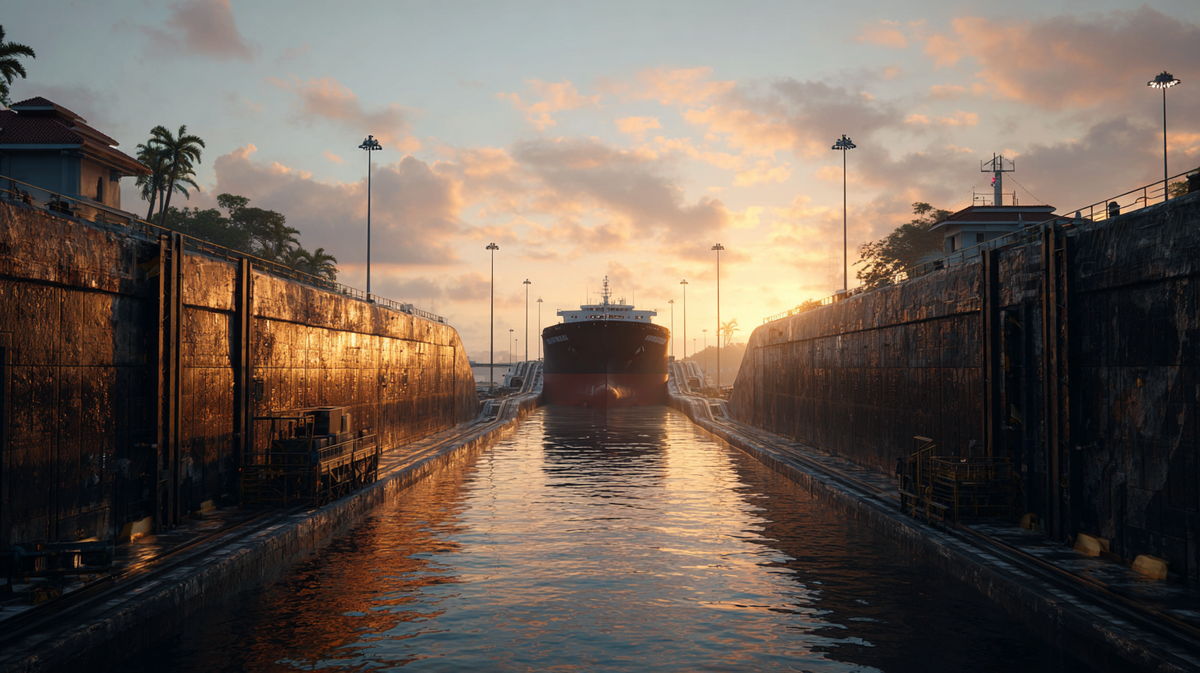
From Panama to Suez: gravity, valves, miter gates, water chambers – how canal locks lift multi-thousand-tonne ships uphill and down safely explained simply.
How Canal Locks Work: The Engineering Behind Raising & Lowering Massive Ships – Complete Guide
Listen here, kid. You stand at the Panama Canal or Suez and watch a giant container ship rise or drop 20–30 metres in minutes – no engines, no cranes, just water and gravity. That’s canal locks – one of the oldest and most elegant pieces of civil engineering still in use today. They let ships cross land barriers without tunnels or impossible inclines. In 2026 Panama moves 14,000+ ships a year, Suez even more. Let’s break it down simply: the physics, the parts, how they work, famous examples, and why they’re still unbeatable.
1. The Basic Principle – Gravity & Water Do All the Work
Locks are like giant bathtubs with doors at both ends.
- Ship enters lower chamber → gates close behind.
- Valves open → water from higher chamber flows in (gravity).
- Water level rises → ship floats up.
- Upper gates open → ship sails out.
Going down: drain water from chamber → ship lowers.
No pumps needed in classic gravity systems – just clever valves and elevation.
2. Key Components – The Engineering Parts
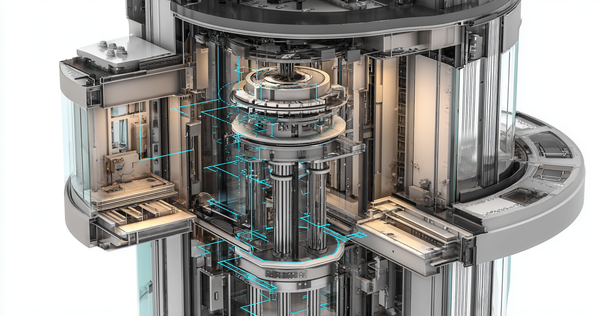
- Miter gates: V-shaped doors that seal under water pressure (like a dam). Angle lets water push them tighter shut.
- Culverts / Valves: Large tunnels and sliding gates control water flow from higher to lower chamber.
- Chamber: Concrete box (up to 427 m long in Panama Neo-Panamax locks).
- Equalizing valves: Small ports balance pressure before opening main gates.
- Fenders / Bumpers: Protect ship hull during filling/draining turbulence.
3. Famous Examples & Their Engineering
- Panama Canal (1914, expanded 2016): 3 locks per side, lifts 26 m total. Neo-Panamax chambers handle 14,000 TEU ships. Gravity + massive water saving basins recycle 60% of water.
- Suez Canal (1869, no locks): Sea-level – but new expansions add bypass channels.
- St. Lawrence Seaway (1959): 7 locks lift 68 m total, miter gates up to 30 m high.
- Three Gorges Ship Lift (China): Not a lock – vertical elevator for smaller ships, but shows alternative engineering.
4. Modern Improvements in 2026
- Water-saving basins (Panama, Rhine locks).
- Automated gate/valve controls.
- Hybrid electric-hydraulic actuators.
- Floating bollards to reduce ship movement stress.
5. Why Locks Beat Alternatives
- Tunnels: Too expensive, long.
- Inclined planes / ship lifts: Limited size, mechanical failure risk.
- Locks: Proven, scalable, gravity-powered.
6. Comparison Table
| Feature | Traditional Gravity Lock | Modern Water-Saving Lock | Vertical Ship Lift |
|---|---|---|---|
| Lifting Method | Gravity water fill/drain | Gravity + recycling basins | Mechanical counterweight / hydraulics |
| Water Use per Ship | High (e.g., 200 million litres Panama old) | 40–60% less | Very low |
| Max Ship Size | Large (Panama Neo-Panamax 370 m) | Same | Smaller (Three Gorges ~3,000 tons) |
| Maintenance | Low (gates/valves) | Medium | High (mechanical parts) |
| Reliability | Extremely high | High | Medium |
7. Lessons for Young Engineers
Canal locks prove: the simplest solution (gravity + valves) often wins over fancy tech. Design for redundancy, durability, and environment. Modern upgrades (water recycling, automation) show how old ideas evolve. Next big challenge? Sea-level rise threatening low canals.
Subscribe to EngineeringUncle – next one coming. Learn real civil engineering.
FAQ for AEO/SEO (Schema-ready)
How do canal locks raise and lower ships?
Water fills the chamber from a higher level (gravity) to lift the ship, or drains to lower it. Gates seal the chamber, valves control flow.
What are miter gates and why are they used?
V-shaped gates that close together like a dam. Water pressure pushes them tighter, creating a watertight seal without heavy mechanisms.
How does the Panama Canal use less water in modern locks?
Water-saving basins recycle 60% of the water used per ship transit – stores drained water and reuses it for next cycle.
Why don’t all canals have locks?
Suez is sea-level (no elevation change). Locks are only needed when crossing land barriers with different water levels.
What’s the largest ship a canal lock can handle in 2026?
Panama Neo-Panamax locks: 370 m long, 49 m wide, 15 m draft – up to 14,000 TEU container ships.
Are canal locks still relevant in 2026 with modern tech?
Yes – gravity-powered, reliable, low maintenance. Alternatives like ship lifts are limited in size and more complex.