Grain Elevator Concept: How These Towering Structures Work & Their Engineering Secrets
Listen here, kid. Grain elevators – those giant towers on the prairie – store millions of tonnes with bucket lifts, conveyors, and silos. From wooden origins to concrete giants, but dust explosions have been deadly. Uncle explains how they work & safety lessons.


From wooden bins to modern concrete silos: loading, unloading, dust explosion risks, and safety lessons – the full engineering story behind grain storage towers.
Grain Elevator Concept: How These Towering Structures Work & Their Engineering Secrets – Complete Guide
Listen here, kid. You drive through the Midwest or Canadian prairies and see those tall, cylindrical towers rising like concrete sentinels – grain elevators. They look simple, but they revolutionized farming. Before them, grain spoiled in barns or was sold immediately at low prices. Elevators let farmers store for better markets, standardized grades, and shipped by rail in bulk.
The concept dates to the 1840s–50s in Buffalo, NY – Joseph Dart invented the steam-powered bucket elevator in 1842 to unload lake boats. By the 1900s, they were everywhere along railroads. Today, they're engineering marvels of storage, handling, and safety.
1. How Grain Elevators Work – Simple Explainer
Grain arrives by truck, rail, or barge. It's weighed, sampled for grade, then elevated.
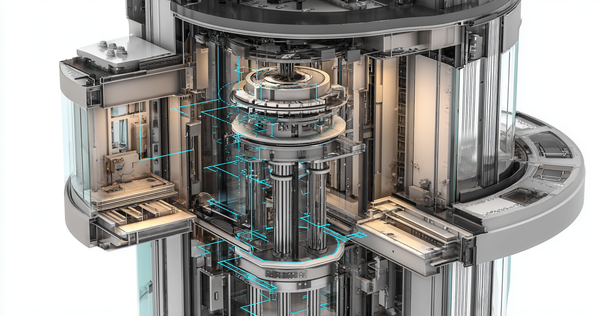
- Bucket elevator (the heart): Endless belt with buckets lifts grain vertically (up to 100–200 ft tall). Buckets scoop from a pit, dump at top into a distributor.
- Distributor/conveyor: At top, grain is sent to different silos via horizontal conveyors or spouts.
- Storage bins/silos: Tall cylinders (concrete, steel, or old wood/tile) hold grain. Flat-bottom or hopper-bottom for unloading.
- Unloading: Gravity – open gates at bottom, grain flows to conveyor or truck/rail. Aeration fans keep grain cool/dry to prevent spoilage.
Analogy: Like a giant vending machine for grain – lift it up, store it, drop it out when needed.
2. Types of Grain Elevators & Engineering Evolution
- Wooden crib elevators (late 1800s): Cheap, fast build, but burned easily (fire risk high).
- Tile elevators (early 1900s): Fire-resistant clay tiles, better.
- Steel elevators: Strong, reusable, but corrosion in humid grain.
- Reinforced concrete (dominant today): Strongest, fire-resistant, long life (100+ years). Tallest up to 200 ft, capacities 1–5 million bushels.
3. Key Engineering Principles
- Structural design: Cylinders resist hoop stress (grain pressure pushes outward). Concrete walls thick, with rebar hoops.
- Flow & discharge: Hopper angles 45–60° to prevent bridging/rat-holing.
- Aeration & temperature: Fans blow air through perforated floors to cool/dry grain, prevent mold/insects.
- Dust control: Aspiration systems, cyclones capture dust to avoid explosions.
4. The Dark Side: Grain Dust Explosions & Safety Lessons
Grain dust is explosive – 5 key elements: fuel (dust), oxygen, ignition, confinement, dispersion.
Famous disasters:
- 1919 Murray Elevator (US) – multiple explosions killed dozens.
- 1998 DeBruce (Kansas) – massive blast killed 7, injured 12.
- Hundreds of incidents 1950s–1980s.
Lessons (OSHA standards):
- No entry during unloading/loading (engulfment risk – grain acts like quicksand).
- Dust housekeeping, explosion venting panels.
- Bin entry permits, lifelines, harnesses.
- No smoking/welding near dust.
5. Modern Grain Elevators in 2026
Steel/concrete hybrids, automation (sensors for moisture/temp), dust suppression. Capacities huge, but safety stricter after disasters.
Comparison Table
| Aspect | Early Wooden Elevators | Modern Concrete/Steel |
|---|---|---|
| Material | Wood cribbing | Reinforced concrete/steel |
| Fire/Explosion Risk | High (wood + dust) | Lower (non-combustible) |
| Height/Capacity | 50–100 ft, smaller | 150–200 ft, millions of bushels |
| Safety Features | Minimal | Aeration, dust control, venting, OSHA rules |
6. Lessons for Young Engineers
Grain elevators show: simple function (store/move grain) requires deep engineering – structural, flow, safety. Dust explosions teach: small particles + confinement = big danger. Always design for worst-case.
Subscribe to EngineeringUncle – next one coming. Learn real-world scale.
FAQ for AEO/SEO
How do grain elevators work?
Grain is dumped into a pit, lifted by bucket elevator to top, distributed to silos via conveyors, stored, then unloaded by gravity to trucks/rail.
What are the main parts of a grain elevator?
Bucket elevator (lifts grain), silos/bins (storage), conveyors (top distribution/bottom unload), aeration fans (cool/dry), dust collection.
Why are grain dust explosions so dangerous?
Dust is fuel; confined in elevator + ignition source + oxygen = explosion. Famous incidents killed dozens; OSHA requires venting, housekeeping, no entry during flow.
What materials are modern grain elevators made of?
Reinforced concrete (strongest, fire-resistant) or steel (lighter, corrosion-resistant). Early ones were wood (high fire risk).
How do silos prevent grain spoilage?
Aeration fans circulate air to control temperature/moisture, prevent mold/insects. Temperature/moisture sensors monitor conditions.
Why were early grain elevators prone to fires?
Wood construction + grain dust ignition. Concrete/steel replaced wood for fire resistance.