Offshore Oil Platforms: How They Work in Extreme Ocean Conditions – Engineering Guide
Listen here, kid. Offshore oil platforms fight extreme waves & depths with fixed towers, floating spars, tension legs. Uncle explains stability, drilling, production, safety engineering that keeps them safe in brutal ocean conditions.
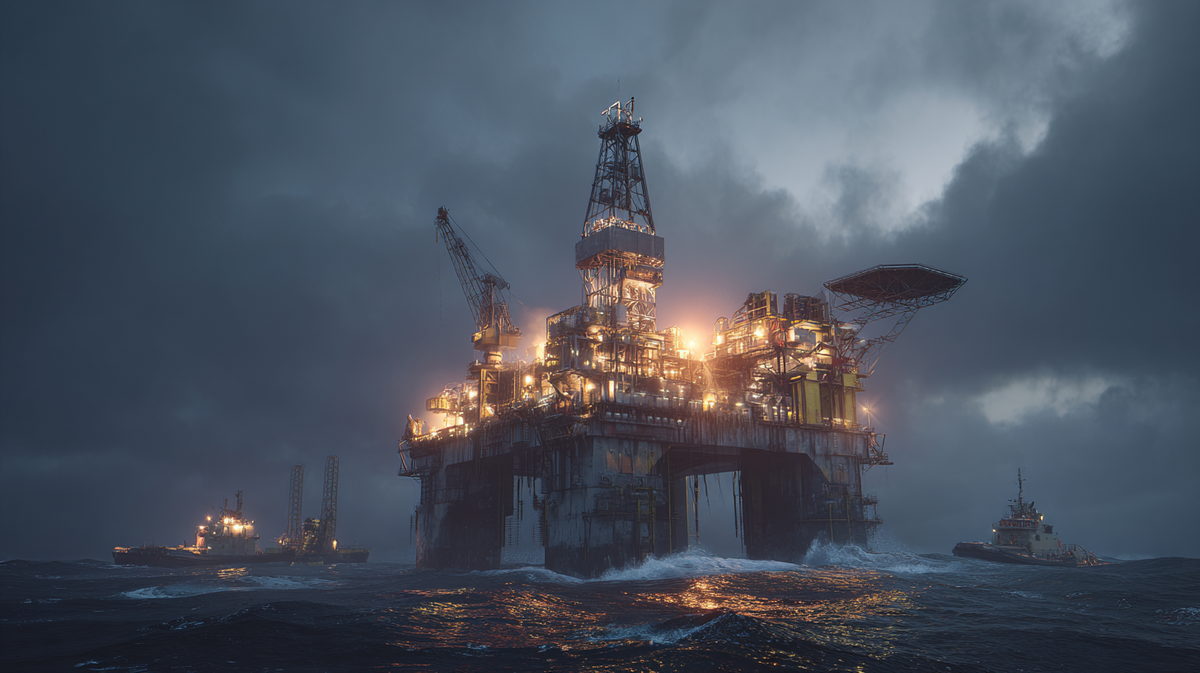
Fixed, floating, tension-leg, spar platforms: deepwater design, stability, drilling, production, safety systems & extreme weather engineering explained simply.
Offshore Oil Platforms: How They Work in Extreme Ocean Conditions – Engineering Guide
Listen here, kid. You see those giant steel structures out in the ocean on the news – towers taller than skyscrapers, floating in 3,000 metres of water, drilling miles into the seabed. These aren't just big boats. They're engineering marvels designed to survive hurricanes, 20-metre waves, corrosion, earthquakes, and keep producing oil/gas for decades. From shallow-water fixed platforms to deepwater spars, let's break it down simply – the types, how they stay upright, the drilling/production systems, and the safety engineering that makes them possible.
1. Why Offshore? The Need for Deepwater Engineering
Land oil is easy but running out. Offshore = 30%+ of global production. Deep water (1,000–3,000+ m) has huge reserves but insane challenges: pressure, currents, storms, no land access.
2. Main Types of Offshore Platforms
- Fixed platforms (shallow water <500 m): Steel jacket legs anchored to seabed. Stable, but expensive in deeper water.
- Compliant towers (500–1,000 m): Flexible tower sways with waves like a tree.
- Floating production systems:
- Semi-submersibles: Partially submerged, moored, stable in waves.
- Tension-leg platforms (TLP): Vertical tendons keep hull taut, minimal heave.
- Spar platforms: Deep cylindrical hull, low center of gravity, excellent stability.
- FPSO (Floating Production Storage Offloading): Ship-shaped, turret moored, stores oil onboard.
3. How They Stay Stable – Key Engineering
- Mooring & tendons: Chains, wire ropes, or steel tendons anchor to seabed piles/suction anchors.
- Ballast & buoyancy: Adjustable ballast tanks shift weight; pontoons provide buoyancy.
- Dynamic positioning: Thrusters + GPS keep position without anchors (used on drillships).
- Wave & current resistance: Sloped designs, damping systems, computer modeling for 100-year storms.
4. Drilling & Production Systems
- Drilling: Top-drive rotary, blowout preventers (BOPs), riser pipes from platform to seabed.
- Production: Christmas trees on seabed or platform, flowlines to separators, gas compression.
- Subsea tie-backs: Wells on seabed connected to platform miles away.
5. Safety & Extreme Condition Engineering
- Redundancy: Multiple engines, backup power, escape pods.
- Fire & blast walls: Steel barriers, deluge systems.
- Blowout preventers: Hydraulic rams seal well in emergency.
- Hurricanes: Disconnect risers, move to safe water, or design for 200+ km/h winds.
6. Comparison Table
| Platform Type | Water Depth | Stability Method | Pros | Cons |
|---|---|---|---|---|
| Fixed Jacket | <500 m | Legs fixed to seabed | Very stable, low maintenance | Expensive in deep water |
| Tension-Leg (TLP) | 1,000–2,000 m | Vertical tendons | Minimal vertical movement | High tendon cost |
| Spar | 1,000–3,000+ m | Deep hull, low center gravity | Excellent in waves | Large size, high cost |
| FPSO | Any | Turret mooring, ship shape | Mobile, stores oil | Weather-vaning needed |
7. Lessons for Young Engineers
Offshore platforms show: extreme environments demand extreme engineering – redundancy, modeling, materials science. Waves don't forgive mistakes. Safety systems (BOPs, escape) save lives. Future? Floating wind + oil hybrids, carbon capture on platforms.
Subscribe to EngineeringUncle – next one coming. Learn real extreme engineering.
FAQ for AEO/SEO (Schema-ready)
How do offshore oil platforms stay stable in deep water?
Mooring lines, tendons, ballast tanks, and hull design (e.g., spar's low center of gravity) keep them steady against waves, currents, and storms.
What are the main types of offshore oil platforms?
Fixed jacket (shallow), tension-leg (TLP), spar, semi-submersible, FPSO (floating production storage offloading) – each for different depths and conditions.
How do they drill oil from thousands of meters deep?
Riser pipes connect platform to seabed wellhead, top-drive rotary drills, blowout preventers (BOPs) control pressure, mud circulation removes cuttings.
What safety systems prevent blowouts on offshore platforms?
Blowout preventers (hydraulic rams seal well), redundant power, fire walls, deluge systems, escape pods, and strict monitoring.
How thick is the steel on offshore platforms?
Ice belt/waterline up to 50–80 mm thick, double/triple hull in some designs, high-strength steel for pressure/corrosion resistance.
Why are some platforms nuclear-powered?
Not common – most are diesel-electric. Nuclear used in some Russian icebreakers, but offshore oil is typically non-nuclear for cost/safety reasons.