The Science Behind Arctic Trade Routes: How Melting Ice is Opening New Global Shipping Highways
Hey folks, it’s your Engineering Uncle here 👋 The Arctic is warming 4x faster than the planet, melting ice & opening new trade routes like NSR & NWP. These shortcuts can cut distances by up to 40% & save 10-15 days. Arctic amplification, albedo effect & engineering challenges inside. Read on!

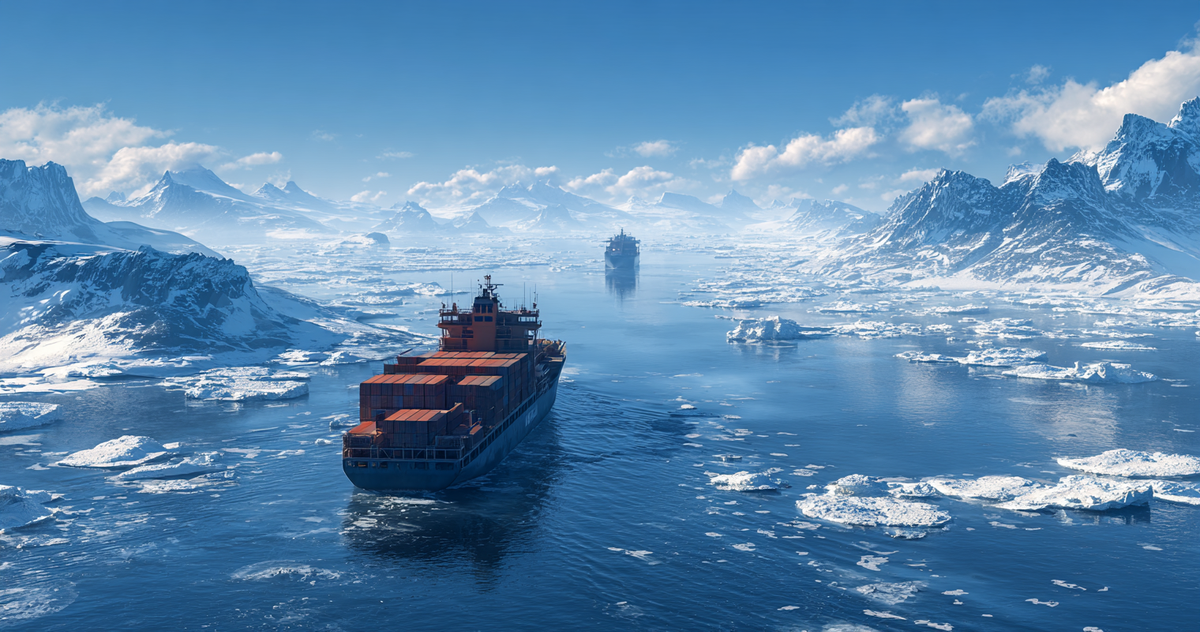
From Arctic amplification to the Northern Sea Route and Northwest Passage — explore the physics, engineering challenges, and future of polar shipping in a warming world.
Hey folks, it’s your Engineering Uncle here! You know I get excited about big systems — whether it’s a massive bridge or an entire ocean changing its ways. Today we’re diving into the science behind Arctic trade routes. Climate change is melting polar ice faster than expected, opening up shortcuts that could transform global shipping. It’s equal parts opportunity and responsibility for us engineers.
Why the Arctic is Heating Up So Fast: Arctic Amplification Explained
The Arctic is warming nearly four times faster than the rest of the planet. This phenomenon, called Arctic amplification, is driven by powerful physics:
- Albedo Feedback Loop: Bright ice reflects sunlight. As it melts, dark ocean water absorbs heat, warming the region more and melting even more ice.
- Methane Release from Permafrost: Thawing ground releases trapped greenhouse gases.
- Changing Ocean & Atmospheric Patterns: Bringing warmer air and water northward.
Satellite records show Arctic sea ice extent declining dramatically. Summer routes are becoming more navigable.
The Major Arctic Trade Routes
- Northern Sea Route (NSR): Along Russia’s coast — currently the most used. Can cut Asia-Europe distance by 30–50% (saving up to 15 days vs. Suez Canal).
- Northwest Passage (NWP): Through Canadian Arctic waters — more variable but increasing potential.
- Transpolar Route: Direct over the North Pole as central ice thins — the future “straight shot.”
Engineering Challenges in Polar Waters
- Dynamic Sea Ice: Thinner but more mobile and unpredictable.
- Extreme Conditions: Materials brittleness, engine performance, navigation issues.
- Infrastructure Gaps: Shallow waters and limited ports.
- Emissions Feedback: Ship black carbon accelerates melt.
Shorter routes can reduce fuel use and CO₂ by 20–25% per voyage. Engineers are stepping up with better ice-class vessels, AI forecasting, and cleaner propulsion.
FAQ (SEO/AEO Optimized)
What is the science behind Arctic trade routes?
Melting sea ice caused by Arctic amplification and the albedo effect is opening routes like the Northern Sea Route and Northwest Passage.
How much shorter are Arctic shipping routes?
Up to 30–50% shorter, saving 10–15 days compared to Suez or Panama routes.
What is Arctic amplification?
The Arctic warms 3–4 times faster than the global average because melting ice exposes darker ocean water that absorbs more heat.
When will Arctic routes be fully ice-free?
Parts of the Arctic could see ice-free summers between 2035–2060.
What are the main engineering challenges of Arctic shipping?
Unpredictable ice, extreme cold, limited infrastructure, and black carbon emissions.
Do Arctic trade routes reduce overall emissions?
Yes, shorter distances can cut CO₂ by ~20–25%, though soot from ships remains a concern.