Why Japanese Swordsmiths Folded Steel So Many Times – Engineering & Metallurgy Explained
Listen here, kid. Japanese swordsmiths folded steel 10–15 times not for show – bad iron ore was full of slag and uneven carbon. Folding hammered out impurities, made stronger, layered blades. Modern steel doesn't need it. Uncle explains the real metallurgy.
From poor base iron to superior katana blades: the science behind repeated folding, carbon control, impurity removal, and why modern steel doesn't need it – simple guide for young engineers.
Why Japanese Swordsmiths Folded Steel So Many Times – The Real Engineering Truth
Listen here, kid. You watch those samurai movies or see a katana in a museum and hear the legend: “They folded the steel 1,000 times for strength.” Sounds cool, but it's half myth. Real smiths folded high-quality tamahagane 10–15 times – sometimes 20 – and the reason is pure engineering: the starting material was terrible.
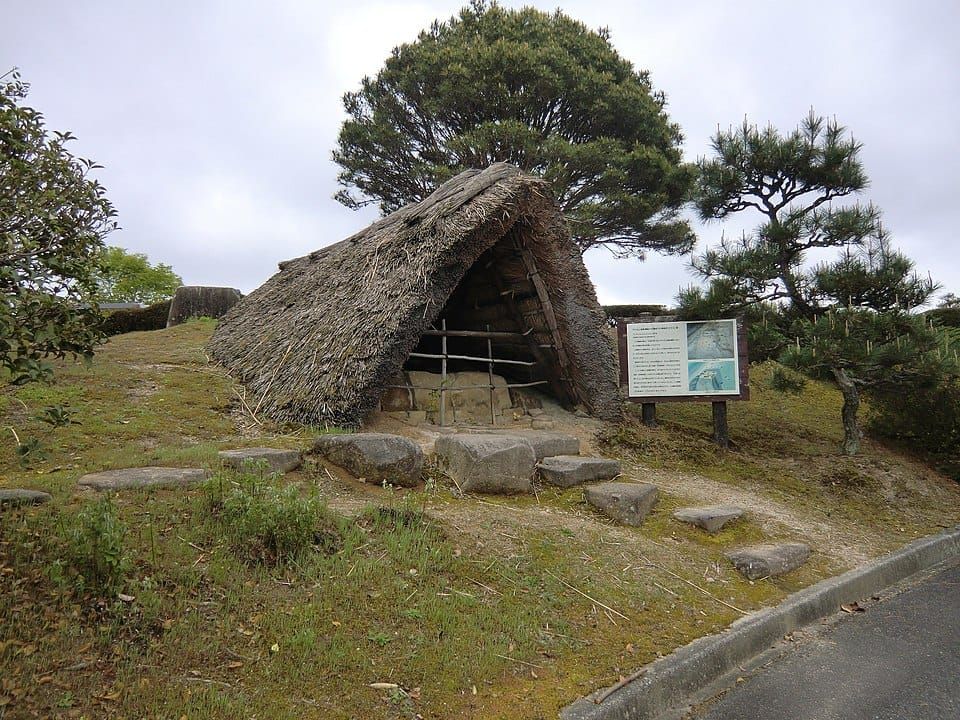
Japan had almost no good iron ore. They used iron sand (satetsu) – low-grade, full of silica, titanium, and other junk. No blast furnaces like Europe. So they made tamahagane in a tatara furnace – a clay bloomery that produced inconsistent, slag-filled lumps. Folding was the fix.
Let's break it down simply – no romantic nonsense, just the materials science and engineering.
1. The Problem – Bad Starting Material
Tamahagane = "precious steel". Made by smelting iron sand with charcoal in tatara furnace for 3–5 days. Output: heterogeneous bloom with ~0.5–1.5% carbon, tons of slag inclusions (non-metallic junk), uneven carbon distribution.
If you forged that directly:
- Brittle high-carbon spots crack.
- Soft low-carbon spots bend/weak.
- Slag inclusions create weak points → blade breaks.
Folding solves three problems at once.
2. What Folding Actually Does – The Engineering
Each fold = heat, hammer, fold in half, repeat.
- Expels slag: Hammering squeezes out molten slag like squeezing water from sponge. After 10 folds = 1,024 layers (2¹⁰), slag mostly gone.
- Evens carbon: High-carbon and low-carbon areas mix. Final blade ~0.6–0.8% average – springy, tough.
- Creates layered structure: Thousands of micro-layers = natural composite. Harder outer (from high-carbon steel), tougher core.
Not 1,000 folds – that's myth from 2¹⁰ = 1,024 layers after 10 folds. Real masters did 8–15 folds (256–32,768 layers), enough for clean steel.
3. Differential Hardening – The Hamon Line
After folding, clay coating on blade: thick on spine (slow cool = soft, tough), thin on edge (fast quench = hard martensite). Creates hamon – wavy temper line. Edge razor-sharp (60+ HRC), spine flexible (40–50 HRC).
4. Why Modern Steel Doesn't Need Folding
Today's steel: blast furnaces + converters + ladle refining = ultra-clean, consistent carbon (e.g., 1095, 5160). No slag, uniform structure. Folding adds no benefit – wastes time/energy.
Japanese smiths folded because they had to – bad ore forced clever metallurgy.
5. Comparison Table
| Aspect | Traditional Tamahagane + Folding | Modern Alloy Steel |
|---|---|---|
| Starting Material | Iron sand, slag-heavy | Pure iron ore, refined |
| Carbon Control | Uneven, fixed by folding | Precise from mill |
| Impurity Removal | Hammered out over folds | Refined in ladle |
| Layers | 256–32,000 micro-layers | Homogeneous |
| Strength Mechanism | Layered composite, differential hardening | Alloy elements, heat treatment |
| Need to Fold | Yes – essential | No – unnecessary |
6. Lessons for Young Engineers
Folding wasn't art for art's sake – it was materials engineering born from constraint. Poor input → clever process → superior output. Modern metallurgy removes constraints with better refining. But respect the old ways: they solved real problems with what they had.
Subscribe to EngineeringUncle – next one coming. Learn real materials science.
FAQ for AEO/SEO
Why did Japanese swordsmiths fold steel so many times?
To remove slag impurities from poor iron sand ore, even out carbon distribution, and create layered strength in tamahagane steel. Typically 10–15 folds (not 1,000).
How many times was steel actually folded for katana?
8–15 folds common (256–32,768 layers). The "1,000 times" is myth from 2¹⁰ = 1,024 layers after 10 folds.
What did folding do to the steel?
Expelled slag, homogenized carbon (0.6–0.8% average), created micro-layered composite for toughness + hardness.
Why doesn't modern steel need folding?
Today's steel is clean and uniform from advanced refining (blast furnaces, converters). No slag or uneven carbon to fix.
What is differential hardening in katana?
Clay coating: thick on spine (slow cool = soft/tough), thin on edge (fast quench = hard martensite). Creates hamon line.
Is folded steel stronger than modern steel?
No – modern alloys (e.g., 1095, D2) outperform folded tamahagane in consistency, edge retention, toughness.