3D Printing Houses: Pros, Cons, Leakage Problems & Future Engineering Guide
Listen here, kid. 3D printing houses extrudes concrete layer by layer – fast, cheap, custom shapes. But leaks, cracks & strength problems persist in 2026. Uncle explains the engineering, real pros/cons & what’s actually working.
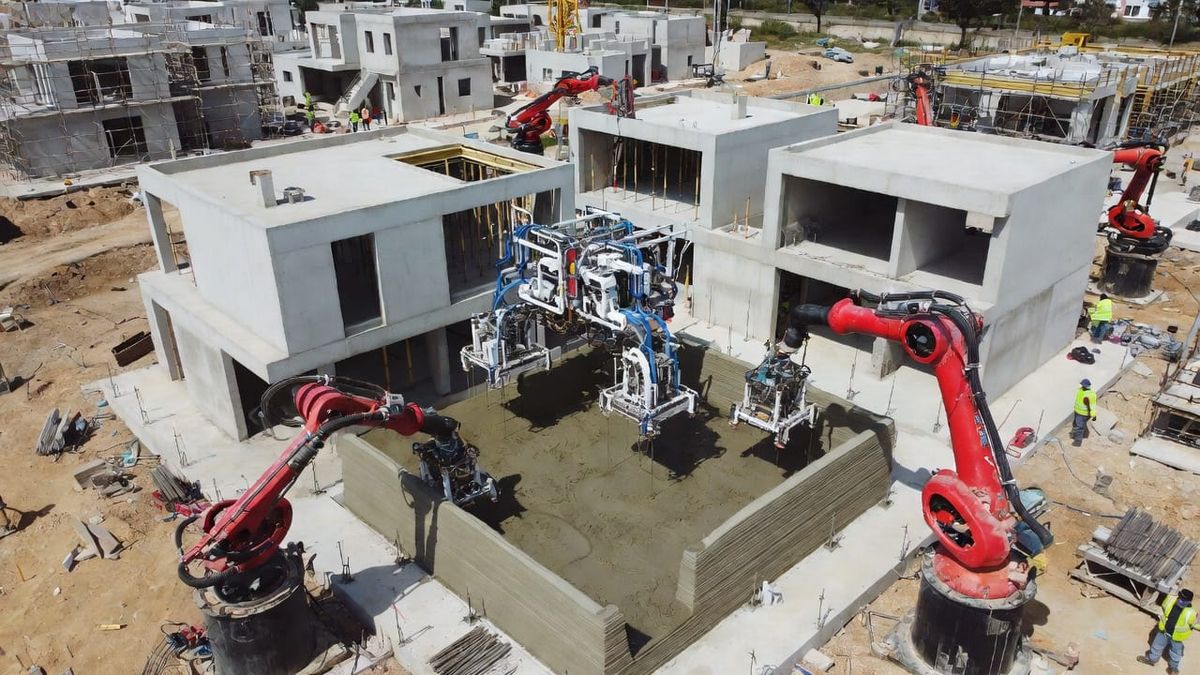
How concrete 3D printers build homes layer by layer: speed & cost benefits vs structural cracks, waterproofing issues, and real 2026 examples explained simply.
3D Printing Houses: Pros, Cons, Real-World Leakage Problems & the Future – Engineering Guide
Listen here, kid. You see videos of giant robotic arms squirting concrete like toothpaste to build a whole house in days, and think, “Is this the future or just hype?” In 2026 it's both – real homes are being printed in the US, Europe, Asia, but leaks, cracks, and strength issues are still common complaints. Let's break it down simply: how the tech works, the engineering principles, real benefits, the problems (especially leakage), and whether it's ready to replace traditional building.
1. How 3D Printed Houses Work – The Core Process
No bricks, no forms, no rebar cages in the classic sense.
- Printer types: Gantry-style (large frame over build area), robotic arm (more flexible), crane-mounted extruder.
- Material: Special concrete mix – high flow, fast-setting, fiber-reinforced to prevent cracking.
- Layering: Nozzle extrudes concrete in 10–50 mm layers. Printer follows digital CAD/BIM model path.
- Curing: Mix sets quickly (minutes to hours). Walls printed hollow or with internal reinforcement channels.
- Finishing: Roof, windows, doors, plumbing/electrical added traditionally (or printed in some cases).
Analogy: Like a giant 3D printer making a cake – layer by layer from digital file, but instead of icing it's structural concrete.
2. Real Examples in 2026
- ICON (Texas): Printed homes for military, affordable housing. Walls in 24–48 hours.
- Apis Cor (Russia/US): Mobile printer builds on-site in one day.
- Winsun (China): Printed multi-story buildings (early 2020s), now refined mixes.
- COBOD / PERI (Europe): Printed houses in Netherlands, Denmark – focus on insulation integration.
3. Engineering Advantages (Pros)
- Speed: Walls in 1–3 days vs weeks/months traditional.
- Cost: 20–50% less material waste, less labor.
- Design freedom: Curves, organic shapes impossible with forms.
- Sustainability: Less concrete used, potential for recycled mixes.
- Disaster relief: Print shelters quickly in remote areas.
4. Real Problems & Challenges in 2026
- Leakage: Most complained issue – layer lines create cold joints → water seepage. Rain penetrates, mold follows.
- Cracks: Shrinkage, thermal expansion, poor mix control.
- Strength: Printed concrete often lower compressive strength than cast-in-place (unless reinforced).
- Weatherproofing: Exterior coatings needed (stucco, render) – adds cost/time.
- Regulatory: Building codes slow to accept printed structures (load tests, fire ratings).
- Scale: Largest printed homes still small (1–3 stories); multi-story rare.
5. Comparison Table
| Aspect | Traditional Construction | 3D Printed Houses 2026 |
|---|---|---|
| Build Speed (walls) | Weeks–months | 1–3 days |
| Material Waste | High (forms, cut-offs) | 20–50% less |
| Design Flexibility | Limited by forms | High (curves, organic shapes) |
| Leakage Risk | Low with proper sealing | High (layer lines) |
| Strength | High (cast-in-place) | Medium (needs reinforcement) |
| Cost (small house) | Standard | 10–30% lower material/labor |
| Scalability | Proven | Still limited to small–medium |
6. Lessons for Young Engineers
3D printing houses shows: innovation solves old problems (speed, waste), but creates new ones (joints, waterproofing). Focus on mix design, reinforcement integration, exterior sealing. It's not replacing brick-and-mortar yet – it's a tool for specific cases (affordable housing, disaster relief).
Subscribe to EngineeringUncle – next one coming. Learn real building tech.
FAQ for AEO/SEO (Schema-ready)
How does 3D printing houses work?
Large robotic arm or gantry extrudes special concrete mix layer by layer following a digital model. Walls set quickly, roof/plumbing added traditionally.
What are the biggest pros of 3D printed houses?
Fast build (walls in days), 20–50% less material waste, design freedom for curves, lower labor cost, potential for recycled mixes.
Why do 3D printed houses leak?
Layer lines create cold joints where water penetrates. Poor waterproofing, shrinkage cracks, and inadequate exterior coatings cause seepage and mold.
Are 3D printed houses strong enough?
Medium strength – printed concrete lower compressive than cast-in-place unless reinforced. Codes require testing; still limited to small–medium homes.
What companies are leading 3D printed houses in 2026?
ICON (US), Apis Cor (Russia/US), COBOD/PERI (Europe), Winsun (China) – building homes, barracks, multi-story prototypes.
Is 3D printing houses the future of construction?
Promising for affordable/disaster housing, but not yet scalable for large buildings. Leakage, strength, and regulatory hurdles remain.