Vertical Farming: Novelty or Real Future? Japan Banana Farms & Canada Success Explained
Listen here, kid. Vertical farming stacks plants indoors with LED lights, hydroponics, no soil – Japan grows bananas in towers, Canada leads weed & strawberries. Uncle explains the engineering, pros/cons, and if it's the future in 2026.

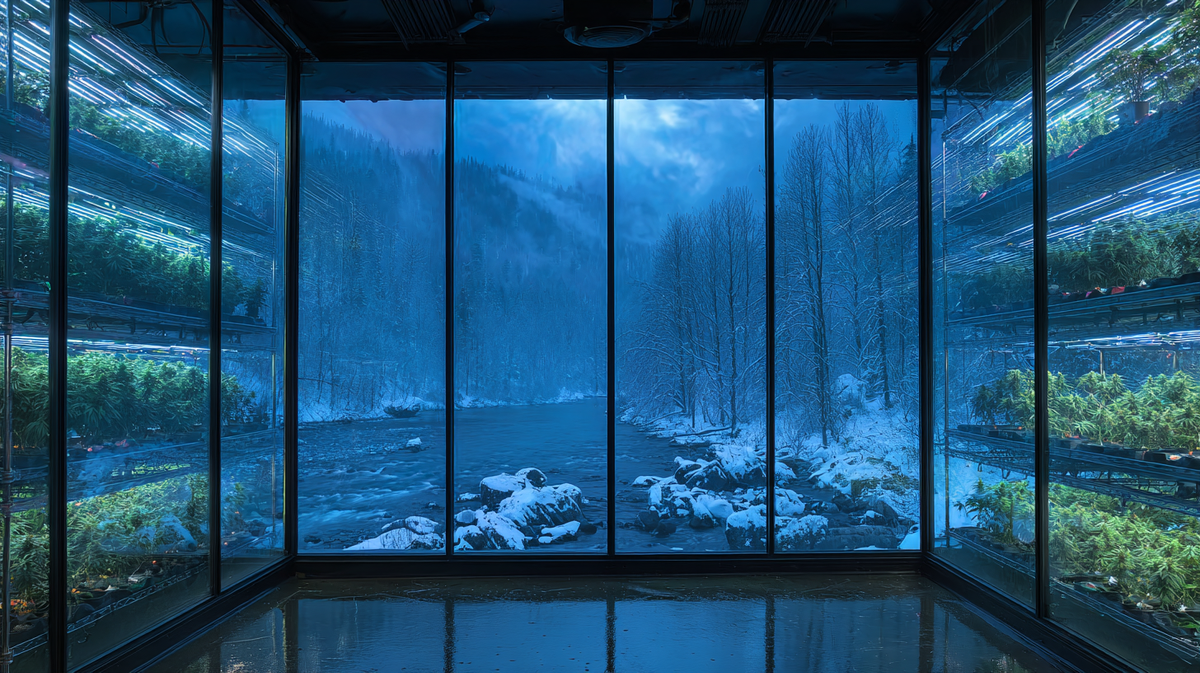
LED lighting, hydroponics, controlled environments: how vertical farms grow bananas in Japan and weed/strawberries in Canada – pros, cons, engineering challenges & 2026 reality.
Vertical Farming: Novelty or Real Future? Japan’s Banana Farms and Canada’s Success – Engineering Guide
Listen here, kid. You hear about vertical farming – skyscrapers full of lettuce, strawberries, even bananas – and wonder: is this the future of food or just a fancy greenhouse for rich cities? In 2026 it's real, profitable in some cases, and engineering-heavy. Japan is growing bananas indoors, Canada leads in cannabis and berries. Let's break it down simply – how it works, the tech, pros/cons, and whether it's scalable or still a niche.
1. How Vertical Farming Works – The Core Engineering
Traditional farming = soil + sun + weather. Vertical farming = controlled environment agriculture (CEA).
- Stacking layers: Crops grown in trays or towers, 10–30 levels high. Uses 99% less land.
- Hydroponics/aeroponics: No soil – roots in nutrient water (hydro) or mist (aero). Recirculating systems save 70–95% water.
- LED lighting: Full-spectrum LEDs replace sun. Tuned wavelengths (red/blue for growth, far-red for flowering). Energy-intensive but precise.
- Climate control: HVAC, CO2 enrichment, humidity/temp sensors keep ideal conditions 24/7.
- Automation: Sensors + AI monitor pH, nutrients, pests; robots seed/harvest in some farms.
Analogy: Like growing plants in a high-tech apartment building – perfect weather every day, no rain or drought.
2. Real Examples in 2026
- Japan – Banana vertical farms Spread Co. and others: multi-layer towers with LEDs mimicking tropical sun. Bananas fruit faster (9–12 months vs 18+ outdoors), year-round, no typhoons. High energy cost offset by premium prices (indoor bananas = luxury).
- Canada – Weed & strawberries Leading in cannabis (legal market): companies like GoodLeaf, Vertical Farms Canada use 20–40 layers, LEDs, hydroponics. Strawberries: high yield (up to 30x traditional per m²), no pesticides. Energy from hydro power helps economics.
3. Engineering Advantages (Pros)
- Year-round production (no seasons).
- 70–95% less water.
- 90–99% less land.
- No pesticides (controlled environment).
- Higher yields (strawberries 20–30x traditional).
- Urban locations – fresher, less transport.
4. Challenges & Reality Check in 2026
- Energy cost: LEDs + HVAC eat electricity (biggest expense). Solar + batteries helping but not enough.
- Upfront cost: $10–50 million for commercial-scale farm.
- Crop limits: Works best for leafy greens, herbs, strawberries, cannabis – not yet scalable for staple crops like rice/wheat.
- Profitability: Many farms still subsidized or premium-priced. Cannabis and microgreens profitable; bananas still niche.
- Scale: Largest farms ~10,000 m² – tiny vs traditional fields.
5. Comparison Table
| Aspect | Traditional Outdoor Farming | Vertical Farming 2026 |
|---|---|---|
| Land Use | High (acres) | 99% less |
| Water Use | High (irrigation) | 70–95% less |
| Weather Dependency | Full (drought, frost) | None (controlled) |
| Yield per m² | Low–medium | 10–30x higher |
| Energy Cost | Low (sun free) | High (LEDs + HVAC) |
| Scalable Crops | All (rice, wheat, corn) | Leafy greens, berries, cannabis |
| Profitability | Established | Niche/premium (cannabis profitable) |
6. Lessons for Young Engineers
Vertical farming shows: solve constraints creatively – no land? Stack up. No reliable sun? Make your own. But energy is the bottleneck – future wins will come from cheaper LEDs, better batteries, or renewable power integration. It's not replacing traditional farms yet – it's complementing them for high-value crops.
Subscribe to EngineeringUncle – next one coming. Learn real future food tech.
FAQ for AEO/SEO (Schema-ready)
Is vertical farming the future of agriculture?
It's a real future for high-value crops (greens, berries, cannabis) – year-round, low land/water. But not yet scalable for staples like rice/wheat due to energy cost.
How does vertical farming work?
Stacked trays under LED lights with hydroponics/aeroponics (nutrient water/mist). Climate control keeps perfect temp/humidity/CO2 24/7.
Why is Japan growing bananas in vertical farms?
Indoor LEDs mimic tropical sun, no typhoons, faster fruiting (9–12 months). Premium prices offset high energy costs.
What crops are most profitable in vertical farming in 2026?
Cannabis (Canada), strawberries, leafy greens, herbs. High value, short cycle, high density.
What are the biggest challenges in vertical farming?
High energy cost (LEDs + HVAC), huge upfront investment, limited crop types, profitability still niche outside cannabis.
Does vertical farming use less water than traditional farming?
Yes – recirculating systems save 70–95% water compared to field irrigation.