Energy Production: Why We Need More, Not Less — The Engineering Case for Abundance
Hey folks, it’s your Engineering Uncle here 👋 The world needs far more energy, not less. This issue breaks down geothermal, hydro, nuclear, Sahara solar, tidal, natural gas, oil, coal, and white coal (biomass briquettes) — their resources, constraints, and real potential. Read on!

Deep analysis of geothermal, hydro, solar, tidal, nuclear, natural gas, oil, coal, and white coal (biomass briquettes) — resources, constraints, pros, cons, and why abundance beats scarcity.
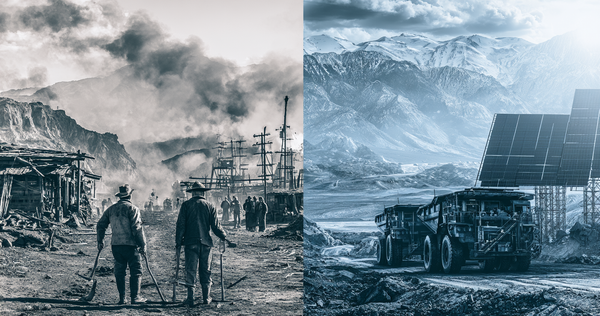
Hey folks, it’s your Engineering Uncle here! The idea that we should deliberately use less energy to save the planet is, in my opinion, misguided. Energy is the master resource that powers human progress, health, and environmental protection.
The documentary Juice powerfully shows how focusing only on expensive, intermittent renewables can sound green but often keeps poor communities trapped in energy poverty. When reliable energy is unaffordable, people burn wood and dung, causing indoor air pollution and deforestation.
We need energy abundance — more clean, reliable, and affordable energy.
Breakdown of Major Energy Sources
1. Geothermal Energy
Resources: Heat from Earth’s interior, best in volcanic regions.
Advantages: 24/7 baseload, very low emissions, high reliability.
Constraints: Limited to specific geological areas. Deep drilling is expensive. Enhanced Geothermal Systems (EGS) are promising but still developing.
Example: Iceland generates most of its power from geothermal.
2. Hydroelectric Power
Resources: Flowing water in rivers and dams. Canada has world-class hydro resources.
Advantages: Reliable baseload, low operating costs, long lifespan.
Constraints: Limited new sites in developed countries, environmental impact on rivers and communities, affected by climate change altering rainfall.
3. Solar Power (Including Sahara Potential)
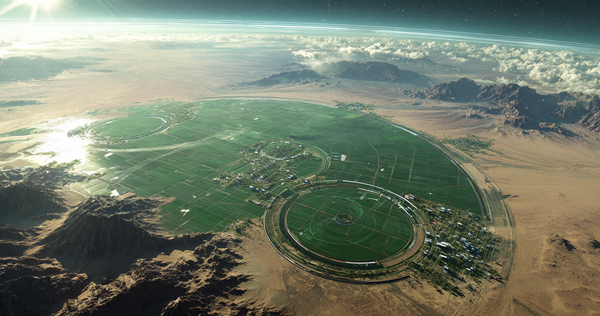
Resources: Sunlight — extremely abundant in deserts like the Sahara.
Advantages: Costs have fallen dramatically.
Constraints: Intermittent, requires storage, dust/sand issues in Sahara, very long transmission distances to demand centers, and high infrastructure costs.
4. Tidal Energy
Resources: Predictable ocean tides (e.g., Bay of Fundy, Canada).
Advantages: Highly predictable power generation.
Constraints: Extremely expensive to build and maintain due to harsh sea conditions, limited suitable locations, and potential marine ecosystem impact.
5. Nuclear Power
Traditional Reactors: High energy density, excellent baseload.
Small Modular Reactors (SMRs): Factory-built, safer design, faster deployment.
Constraints: High capital cost, long regulatory timelines, and public perception issues.
Advantages: Very low carbon, compact, reliable.
6. Natural Gas
Resources: Abundant in North America, Qatar, Russia.
Advantages: Flexible, cleaner than coal, good partner for renewables.
Constraints: Methane leakage and CO₂ emissions.
7. Crude Oil
Resources: Still significant reserves, though shifting to unconventional sources.
Advantages: High energy density, essential for aviation, shipping, and chemicals.
Constraints: High carbon when burned, geopolitical risks.
8. Coal
Resources: Very abundant, especially in China, India, USA.
Advantages: Cheap and reliable for developing nations.
Constraints: Highest CO₂ and air pollution among major sources.
9. White Coal (Biomass Briquettes)
Resources: Agricultural and forestry waste (rice husk, sawdust, bagasse) compressed into briquettes.
Advantages: Carbon-neutral (uses waste), cheap, abundant in agricultural countries like China and India.
Constraints: Lower energy density than fossil coal, supply depends on agricultural output, and requires collection/logistics systems. Popular in China as a cleaner alternative to raw coal for small industries and households.
The Engineering Conclusion
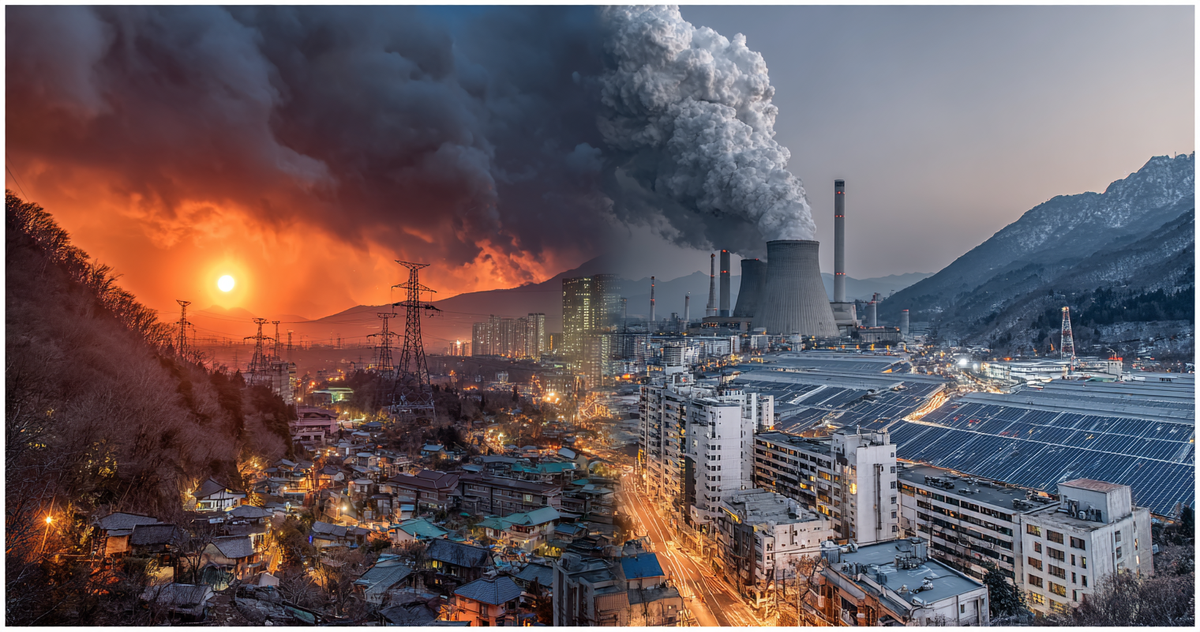
We should pursue an all-of-the-above strategy focused on energy abundance. Restricting supply raises prices and hurts the poorest most. The goal is more energy, cleaner energy, and smarter energy use.
FAQ (SEO/AEO Optimized)
What is White Coal?
Biomass briquettes made from agricultural waste — a clean, affordable fuel popular in China and India.
Why does the world need more energy?
To support AI, EVs, economic growth, and bring modern living standards to billions.
What does the documentary Juice highlight?
That renewable-only approaches can keep poor people in energy poverty.