Traditional Mining vs Modern Critical Materials Mining: The Massive Industry Shift
Hey folks, it’s your Engineering Uncle here 👋 Mining used to mean dangerous underground work with pickaxes and coal. Today it’s high-tech precision science for lithium, copper, and rare earths. In this issue: the dramatic shift from traditional to modern critical materials mining. Read on!
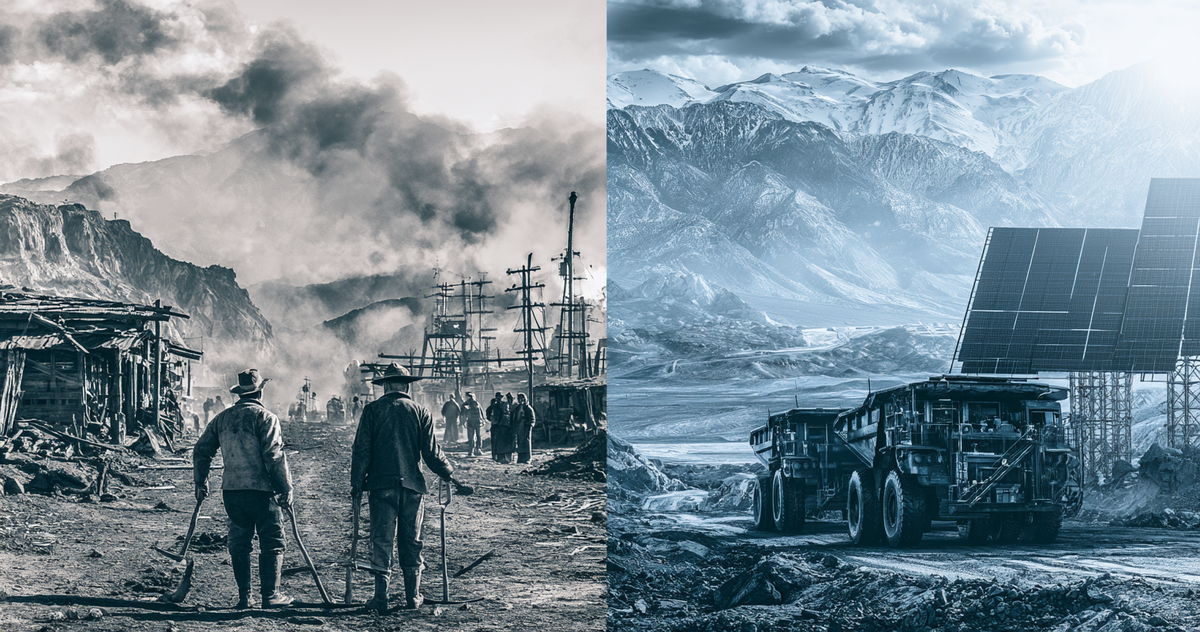
From pickaxes and coal to AI-powered autonomous mines extracting lithium, copper, and rare earths — how mining evolved for the AI & EV age.
Hey folks, it’s your Engineering Uncle here! Mining is one of humanity’s oldest industries — and also one of the most transformed.
For centuries, mining meant back-breaking labor, basic tools, and chasing gold, silver, coal, and iron. Today, especially in the critical materials sector, it has become a high-tech, data-driven precision industry essential for AI, EVs, and modern technology.
Traditional Mining (The Old World)
- Focus: Bulk commodities — coal, iron ore, gold, diamonds.
- Methods: Manual labor, underground shafts, open-pit with basic equipment, drill-and-blast techniques.
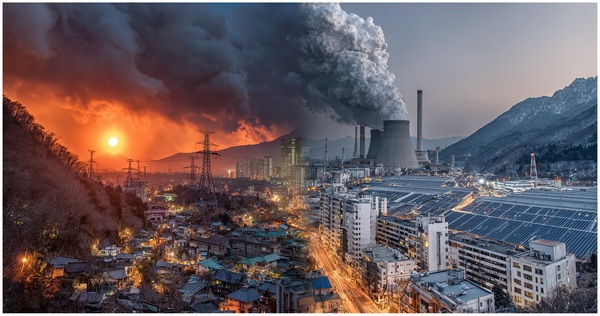
- Characteristics: High physical danger, boom-and-bust cycles, heavy environmental impact with limited regulation, low technology use.
- Image: Dusty miners with helmets and pickaxes, smoky coal towns, environmental scars.
This model powered the Industrial Revolution but came with serious human and environmental costs.
Modern Critical Materials Mining (The New Era)
Today’s mining for materials like copper, lithium, nickel, cobalt, and rare earths is fundamentally different:
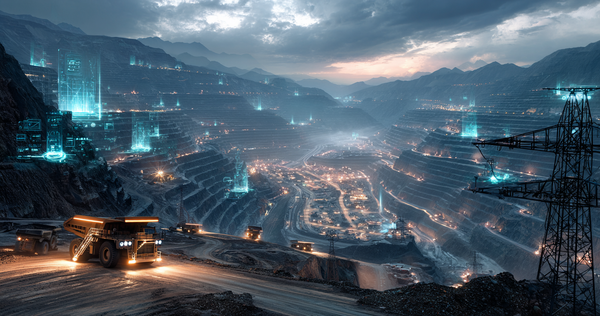
- Technology: Autonomous haul trucks, AI-optimized drilling and blasting, drone surveys, real-time sensor networks, and predictive maintenance.
- Precision: Mines now use big data and machine learning to extract exactly what is needed with minimal waste.
- Sustainability Focus: Dry tailings, renewable-powered operations, water recycling, biodiversity programs, and strict ESG standards.
- Scale & Speed: While new mines still take 10–15 years to develop, once operational they are far more efficient and safer.
- Critical Materials Emphasis: Instead of just volume, the focus is on specific high-performance minerals needed for batteries, magnets, and electronics.
Key Differences:
- Safety: Modern mines have dramatically fewer fatalities thanks to automation and robotics.
- Efficiency: AI helps optimize every ton moved.
- Environmental Accountability: Much stricter regulations in Western countries, though challenges remain in many jurisdictions.
- Economic Role: Critical materials mining is strategic — tied to national security, tech leadership, and energy transition.
The industry is shifting from “dig more dirt” to “extract smarter with less impact.”
FAQ (SEO/AEO Optimized)
What is the main difference between traditional and modern mining?
Traditional mining focused on volume and labor; modern critical materials mining uses AI, automation, and precision for specific high-tech minerals.
Why is modern mining important for AI and EVs?
It supplies copper, lithium, nickel, cobalt, and rare earths needed for batteries, motors, and data centers.
Is modern mining cleaner than traditional mining?
Yes — automation, better waste management, and stricter regulations have reduced many impacts, though challenges remain.