The AI & EV Boom Mining Crisis: Critical Materials Demand Explained
Hey folks, it’s your Engineering Uncle here 👋 The AI and EV revolutions are driving an enormous demand for critical materials like copper, lithium, nickel, and cobalt. Is this a supply crisis or the biggest mining opportunity in decades? Deep dive inside. Read on!
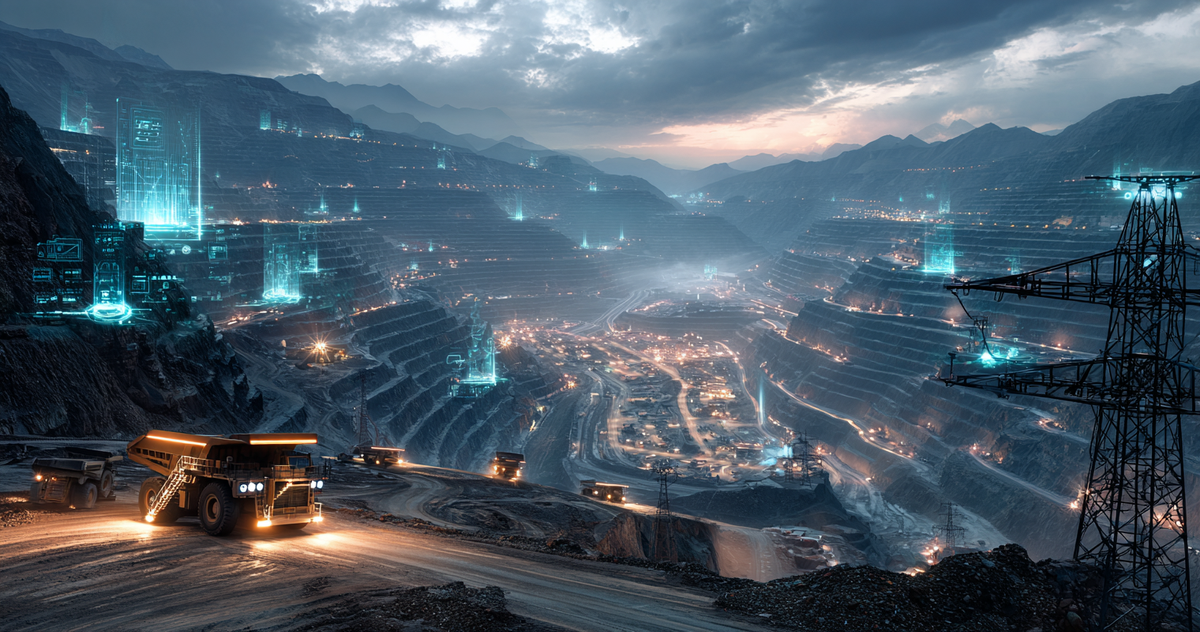
Why copper, lithium, nickel, and cobalt demand is exploding — and whether we face real scarcity or a massive new mining opportunity.
Hey folks, it’s your Engineering Uncle here! We love talking about futuristic AI models and sleek electric vehicles, but behind all that shiny technology lies something much older and dirtier — mining. The explosive growth of AI data centers and EVs is creating unprecedented demand for several key materials. Let’s break them down one by one.
Copper — The Metal of Electrification
Copper is the undisputed king of electrical conductivity. It is essential for power transmission, motors, wiring, transformers, and heat exchangers.
- Demand Drivers: A single EV uses 3–4 times more copper than a gasoline car. AI data centers are extremely copper-intensive due to massive power requirements and cooling systems.
- Current Status: The US Government has officially declared copper a critical material due to its importance and rising supply concerns.
- Where it’s mined: Major producers include Chile (world’s largest), Peru, Democratic Republic of Congo, China, and the United States (Arizona, New Mexico).
- The Challenge: Although copper is geologically abundant, high-grade deposits are declining. New mines take 10–15 years to develop due to permitting and environmental reviews. Demand is projected to rise sharply through 2040.
Lithium — The Battery Metal
Lithium is the core ingredient in modern lithium-ion batteries.
- Demand: Projected to grow 500–900% by 2040 as EV adoption accelerates.
- Mining Methods:
- Hard rock mining (spodumene) — mainly in Australia.
- Brine extraction — pumping underground saltwater in Chile, Argentina, and Bolivia (the “Lithium Triangle”).
- Major Issues: Brine extraction is water-intensive in already dry regions. Hard rock mining is energy-heavy. Processing is chemically complex and environmentally challenging. Supply chain bottlenecks and price volatility have been common.
Nickel — High-Energy Battery Chemistry
Nickel is crucial for high-density EV batteries (especially NMC and NCA chemistries).
- History: Canada was once a major nickel producer — Sudbury, Ontario is famous for it. Nickel was used in coin production for decades, but rising mining costs eventually made producing a 5-cent coin more expensive than its face value.
- Current Sources: Indonesia (world’s largest producer), Philippines, Russia, Canada, and Australia.
- Challenges: Indonesia’s laterite nickel is energy-intensive and has significant environmental impact. High-purity nickel for batteries is harder to produce cleanly.
Cobalt — The Ethical Challenge
Cobalt provides stability and energy density in many battery chemistries.
- Major Issue: Over 70% of the world’s cobalt comes from the Democratic Republic of Congo, where child labor, dangerous working conditions, and human rights issues are well-documented.
- The Industry Response: Battery makers are trying to reduce cobalt content (some chemistries are already cobalt-free), but it remains important for performance in many high-end batteries.
Graphite — The Overlooked Battery Material
Graphite is used for battery anodes (roughly 50% of a lithium-ion battery by weight).
- Challenges: Natural graphite needs extensive processing. Synthetic graphite is energy-intensive. China dominates both mining and refining of graphite, creating another supply chain vulnerability.
Rare Earth Elements — The Strategic Group
Rare earths (especially neodymium and dysprosium) are critical for powerful permanent magnets in EV motors and wind turbines.
- Why Hard to Mine: They are difficult to separate chemically, require toxic processes, and produce significant radioactive waste (many deposits contain thorium and uranium).
- Environmental Impact: Strict regulations in Western countries make new mines very hard to open, while China dominates processing with less stringent rules.
FAQ (SEO/AEO Optimized)
Why is copper considered critical by the US government?
It is essential for electrification, renewable energy, and AI infrastructure with growing supply risks.
What are the main issues with lithium mining?
Water usage in brine extraction and high energy demand in hard rock mining, plus slow project development timelines.
Why is cobalt controversial?
Majority of production comes from DRC with documented child labor and unsafe mining conditions.
How much more copper do EVs need?
3–4 times more than traditional internal combustion engine vehicles.