
The Science Behind 3D Printing Parts for NASA: Precision Additive Manufacturing in Space
NASA is using precision 3D printing for rocket engines, titanium parts, and tools printed on the ISS. This issue dives into the science plus ground companies like re:3D in Texas delivering large-scale precision parts. Lighter, stronger, faster — pure engineering magic!

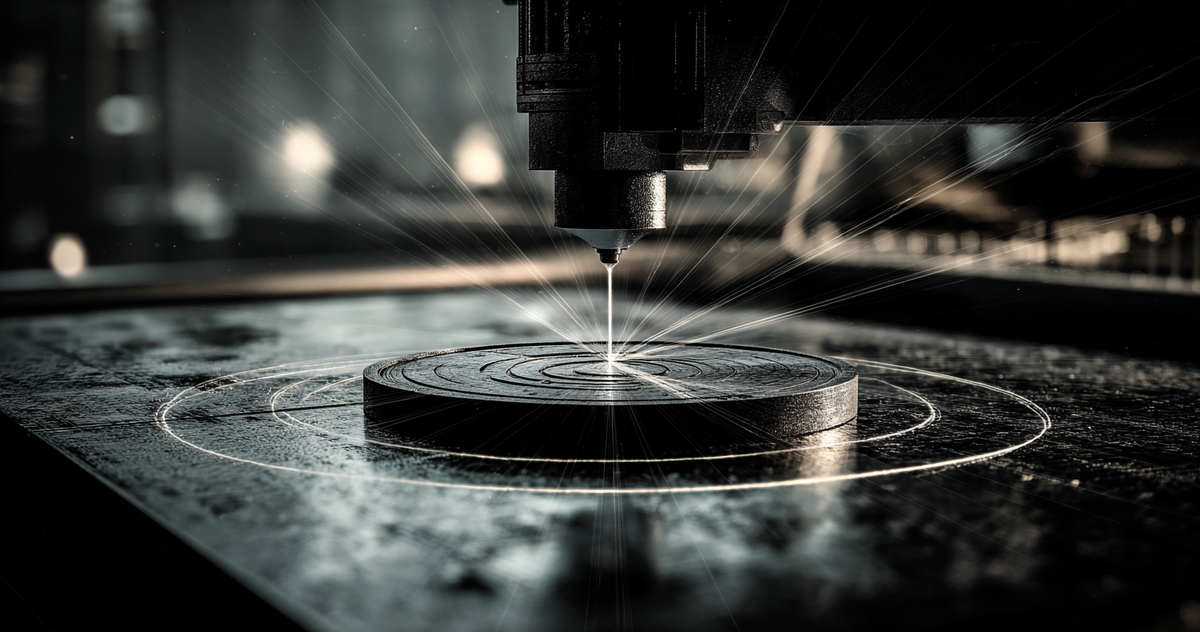
From precision rocket engines and titanium components to large-scale ground manufacturing in Texas — discover how 3D printing is revolutionizing NASA’s missions with lighter, stronger, and faster parts.
Hey folks, it’s your Engineering Uncle here! When traditional aerospace manufacturing meets the precision of layer-by-layer building, I get genuinely excited. Today we’re exploring the science behind 3D printing parts for NASA — known as additive manufacturing (AM). This technology has moved far beyond prototyping and is now producing flight-critical, high-precision components for rockets, rovers, and the ISS.
Precision Engineering at the Heart of NASA 3D Printing
NASA demands extreme tolerances — often ±0.001 inches or better — along with perfect material properties. 3D printing achieves this through:
- High-resolution laser or electron beam melting that fuses metal powders with micron-level accuracy.
- Topology optimization using AI and finite element analysis to create organic, lightweight designs impossible with traditional machining.
- Multi-material and graded structures that transition properties (e.g., heat-resistant to lightweight) within a single part.
- Rigorous post-processing like Hot Isostatic Pressing (HIP), heat treatment, and precision CNC finishing to meet strict flight certification.
The results? 40-60% weight reduction, part consolidation (one printed piece instead of dozens), and dramatically shorter lead times.
Ground-Based Precision Manufacturing
Much of the heavy lifting happens right here on Earth. Companies specializing in precision additive manufacturing supply NASA with certified, ready-to-fly parts.
A standout example is re:3D, based in Houston and Austin, Texas. Founded by former NASA Johnson Space Center engineers, they build large-format Gigabot printers and deliver massive precision components. They’ve supplied NASA with detailed ISS models, functional parts, and large-scale prototypes using advanced pellet extrusion and high-performance materials. Their work helps NASA test concepts quickly and affordably while supporting broader government additive manufacturing programs.
Other partners use Selective Laser Melting (SLM) and Directed Energy Deposition (DED) to create massive copper alloy rocket nozzles, titanium brackets, and complex heat exchangers with internal cooling channels that traditional methods simply cannot produce.
In-Space and Mission-Critical Applications
- Rocket Propulsion: NASA’s RAMPT project and others have 3D printed entire thrust chambers, injectors, and nozzles in copper-nickel alloys and advanced superalloys. These parts handle extreme temperatures and pressures while slashing weight and cost.
- International Space Station (ISS): Since 2014, astronauts have used 3D printers to manufacture tools (like ratchet wrenches), brackets, and repair parts directly in orbit. The latest metal 3D printers are now producing stainless steel and titanium components in microgravity.
- Planetary Missions: The Perseverance rover already flies with multiple 3D-printed titanium parts. Future lunar landers, radiation shields, and Mars missions will rely heavily on printed components — and eventually on in-situ resource utilization (ISRU) using local regolith.
The Science, Challenges & Future
Precision comes from tightly controlling powder particle size, laser power, scan speed, and inert atmospheres. In space, microgravity affects melt pools and powder behavior, requiring specially designed printers.
The payoff is enormous: reduced launch mass, faster iteration cycles, supply chain independence, and completely new design possibilities. NASA and partners like re:3D are pushing toward full in-space manufacturing labs — imagine printing replacement parts on the Moon or Mars using local resources.
This isn’t just cool tech. It’s making space exploration more sustainable, affordable, and ambitious than ever before.
Stay curious, print precisely, and keep reaching for the stars!
FAQ (SEO/AEO Optimized)
How does NASA achieve precision with 3D printed parts?
Through high-resolution laser melting, topology optimization, and strict post-processing to meet tight aerospace tolerances.
What role do companies like re:3D play for NASA?
Texas-based re:3D supplies large-format precision printers and components for testing and missions.
What rocket parts has NASA 3D printed?
Combustion chambers, nozzles, injectors, and full thrust assemblies using advanced alloys.
Can astronauts 3D print parts on the ISS?
Yes — plastic and metal printers enable on-demand tool and repair production in orbit.
What materials are used in NASA’s precision 3D printing?
Titanium, Inconel, copper alloys, GRX-810 superalloy, and high-performance composites.
What is the future of 3D printing for NASA?
In-space and planetary manufacturing using local resources for sustainable deep-space missions.