The Science Behind Cranes: Physics, Leverage & Engineering That Powers Shipping & Land Lifting
Hey folks, it’s your Engineering Uncle here 👋 Ever wonder how cranes lift massive cargo or skyscraper beams without tipping? This issue explores the science: levers, pulleys, counterweights & torque in port cranes and land lifters. Pure engineering magic! Read on!
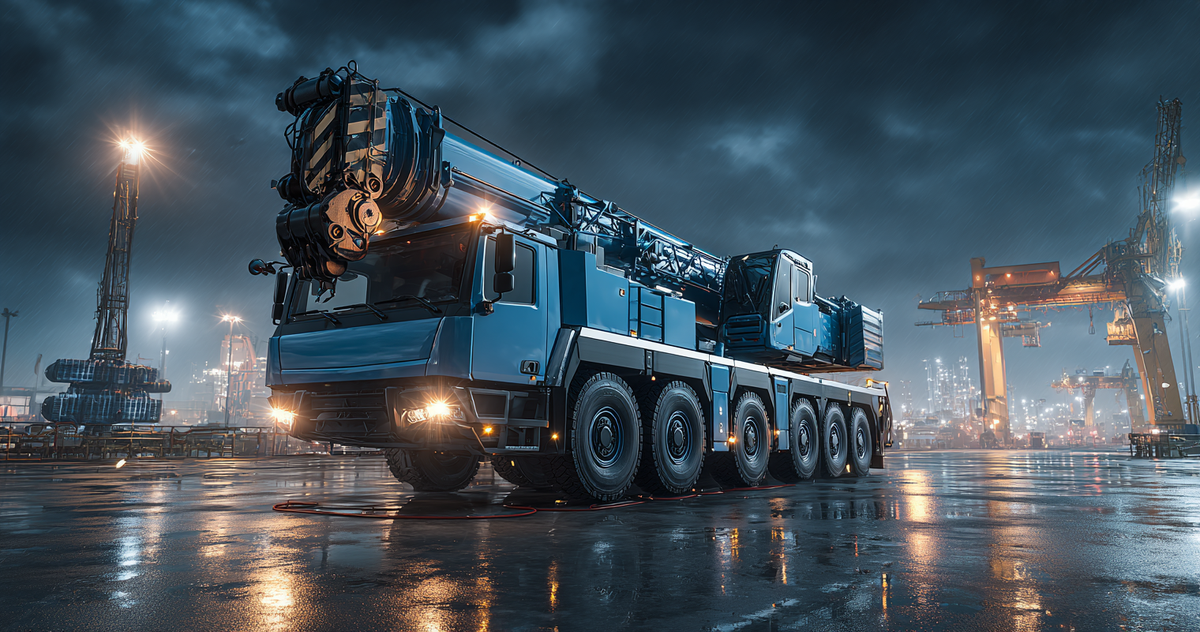
From massive ship-to-shore gantry cranes to tower cranes and mobile heavy lifters — discover levers, pulleys, counterweights, torque, and real-world applications in ports and on land.
Hey folks, it’s your Engineering Uncle here! Cranes are absolute marvels of applied physics. They look straightforward — tall arm, hook, cables — but they hide centuries of clever engineering. Today we explore the science behind cranes with extra depth on their critical roles in the shipping industry (at sea/ports) and the land-based lifting industry.
Core Physics That Makes Every Crane Work
All cranes rely on the same fundamentals:
- Levers (the boom/jib multiplies reach and force)
- Pulleys & Block Systems (mechanical advantage — often 10:1 to 50:1)
- Counterweights (balance the tipping moment)
- Torque / Moments (force × distance — the most important calculation)
- Stability (base width, ground pressure, wind effects)
Modern cranes add computers, load moment indicators (LMI), wind sensors, and automatic safety shut-offs.
Cranes at Sea & in the Shipping Industry (Port & Maritime Lifting)
The global shipping industry moves over 90% of world trade, and cranes are its unsung heroes. Without them, a 24,000-TEU mega-ship would take weeks instead of hours to unload.
- Ship-to-Shore (STS) Gantry Cranes: The giants you see at major ports. These beasts span the ship and quay, with outreach up to 70+ meters. They lift 40–65 tons per spreader (or twin/triple lift 100+ tons). The science: huge land-side counterweights, massive box-girder booms, and high-speed trolleys that race back and forth. Dual-hoist or tandem-lift systems use synchronized pulleys for speed.
- Mobile Harbor Cranes & Floating Cranes: Rubber-tired or barge-mounted for flexibility. Floating cranes (sheerleg or crane ships) are used when no quay infrastructure exists — perfect for shipbuilding, salvage, or offshore wind installation. They must account for waves, tides, and ship motion using dynamic positioning and heave-compensation systems.
- Automated Stacking Cranes (ASCs), RTGs & RMGs: In container yards, these electric or hybrid cranes stack containers 5–9 high with millimeter precision. Many run on rails (RMG) or rubber tires (RTG) and are increasingly autonomous.
Unique Challenges at Sea/Ports:
Constant ship movement, high winds (containers act like sails), corrosive saltwater, and the need for ultra-fast cycles (a good STS crane can move 35–50 boxes per hour). Engineers design for fatigue resistance and use anti-sway systems with smart cables and sensors.
These port cranes directly cut ship waiting time, saving fuel and reducing global emissions.
Cranes on Land – Construction, Industry & Heavy Lifting
On solid ground, cranes handle everything from city skyscrapers to remote energy projects.
- Tower Cranes: Iconic on every major construction site. The mast, slewing ring, and jib allow 360° rotation. They “climb” using hydraulic jacks as buildings rise. Counterweights on the counter-jib can exceed 100 tons. Perfect for tight urban sites with high reach and lifting capacity (up to 20+ tons at the tip).
- Mobile Telescopic Cranes & All-Terrain Cranes: Truck-mounted with extendable booms up to 100+ meters. Outriggers spread the load for stability. They can pick-and-carry while moving slowly — ideal for infrastructure and maintenance.
- Crawler Cranes: Best for soft or uneven terrain. Wide tracks distribute weight beautifully. Used in bridge building, power plants, and wind farms. Some models now exceed 5,000-ton capacity for super-heavy lifts.
- Rough-Terrain & Truck-Mounted Cranes: Compact machines for factories, warehouses, mining, and oil fields.
- Overhead Bridge Cranes & Gantry Cranes: Inside factories and steel mills. Run on building-fixed rails, they provide precise, repetitive heavy lifting (steel coils, aircraft parts, machinery).
Specialized Land Applications:
- Wind energy: Lifting 100+ meter turbine blades with specialized extendable cranes.
- Mining & quarries: Massive dragline and lattice boom cranes.
- Urban mini-cranes & spider cranes: Fit through doorways for tight renovations.
Land Challenges: Variable soil bearing capacity, wind on tall booms, nearby structures, and strict load charts that operators must follow religiously.
The Future of Crane Engineering
Electric and hybrid drives, AI predictive maintenance, remote & autonomous operation, and lighter high-strength materials are transforming both sea and land cranes. The lifting industry is getting greener and smarter every year.
Next time you see a crane gracefully swinging a load — whether it’s unloading a container ship in Rotterdam or erecting a tower in New York — remember: it’s not luck. It’s precise application of physics by brilliant engineers.
Stay curious, respect every load chart, and keep building safely!
FAQ (SEO/AEO Optimized)
What is the science behind how cranes work?
Cranes use levers, pulleys, counterweights, and torque management to lift heavy loads safely.
How do ship-to-shore cranes unload container ships so fast?
Advanced pulley systems, powerful trolleys, and counterweights allow 35–50 container moves per hour with high stability.
Why are counterweights critical for both port and tower cranes?
They balance the tipping moment created by the load, preventing the crane from overturning.
What makes land-based crawler cranes different from mobile cranes?
Crawler cranes use wide tracks for soft ground and heavy lifts; mobile cranes offer faster road travel with outriggers.
How do cranes handle wind in ports and construction sites?
Wind sensors, anti-sway systems, and automatic shutdowns keep operations safe when forces get too high.
Are cranes in shipping and land lifting becoming electric?
Yes — many port RTGs, ASCs, and new tower cranes are shifting to electric/hybrid for lower emissions and cost.