The Science Behind Safety Shoes: Physics, Materials & Engineering That Protect Your Feet
Ever wonder how safety shoes stop heavy objects from crushing toes or keep you from slipping? This issue breaks down the science — impact toe caps, grip soles, puncture plates — plus a fun section on using them for weightlifting! Real engineering that saves feet (and boosts lifts). Read on!
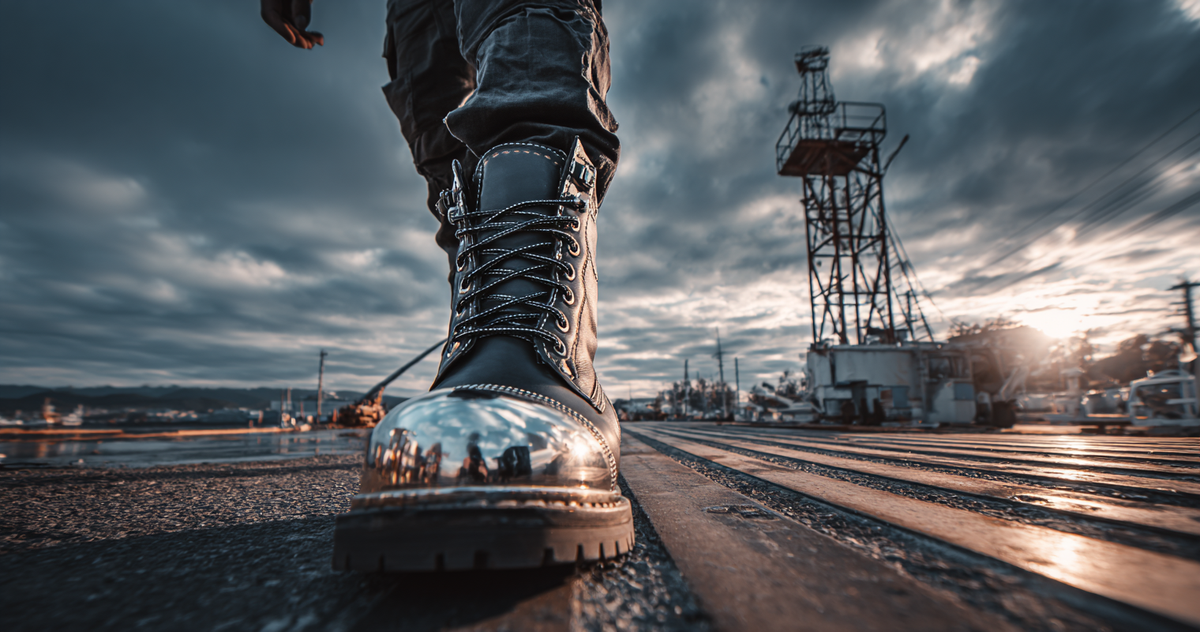
Discover how steel & composite toe caps, slip-resistant soles, puncture plates, and advanced materials work together — plus a fun look at using them for weightlifting.
Hey folks, it’s your Engineering Uncle here! We often take our footwear for granted, but safety shoes (or safety boots) are packed with serious physics, materials science, and clever engineering. These are personal protective equipment designed to handle falling tools, slippery floors, sharp objects, and heavy loads.
Core Physics & Protection Principles
Safety shoes protect through energy absorption, force distribution, friction, and structural integrity.
- Impact & Compression Protection (Toe Caps): Must survive 200 Joules of impact (20 kg falling 1 meter) and 15 kN compression (~1.5 tons). Steel, composite (carbon fiber/Kevlar), or aluminum toes spread the force.
- Slip Resistance (The Sole Science): High coefficient of friction soles with deep, multi-directional treads channel liquids away and “bite” into surfaces.
- Puncture Resistance: Steel or composite midsole plates stop nails and sharp objects.
- Additional Features: Energy-absorbing heels, antistatic materials, and breathable yet tough uppers.
Materials Science in Modern Safety Shoes
Engineers use polyurethane, rubber, EVA foam, composites, and high-tensile fabrics. Standards like ASTM F2413 and EN ISO 20345 guarantee performance.
Fun Bonus: Using Safety Shoes for Lifting Weights 🏋️
Here’s a fun engineering twist — many powerlifters, strongmen, and garage gym warriors actually use safety shoes for heavy lifts!
Why they work technically:
- Steel/Composite Toe Caps act like built-in foot protection during heavy deadlifts or squats. If you drop a barbell on your foot (it happens), you’re much safer.
- Ultra-stiff, flat soles with minimal heel-to-toe drop provide excellent ground feel and stability — similar to dedicated lifting shoes. The rigid construction prevents foot roll under heavy loads.
- High-traction outsoles grip gym floors (even rubber mats) extremely well, giving better force transfer during heavy pulls or presses.
- Puncture plate + reinforced structure adds overall foot rigidity, which some lifters prefer for better power transfer.
Pro Tip from Your Uncle: Look for safety shoes rated S5 or ASTM I/C with a relatively flat profile. They’re not as refined as Olympic lifting shoes, but for casual or strongman-style training, they’re tough, protective, and surprisingly effective. Just don’t expect them to replace your specialized squat shoes for max attempts!
Whether on a construction site or in the gym, safety shoes are brilliant examples of applied engineering.
Stay safe, lift smart, and respect the science between your feet and the ground!
FAQ (SEO/AEO Optimized)
How do safety shoes protect toes from impact?
Steel or composite toe caps absorb and distribute up to 200 Joules of energy.
What makes safety shoe soles slip-resistant?
Special rubber compounds and deep tread patterns increase friction and channel liquids.
Are composite toe caps as strong as steel?
Yes — both meet the same impact and compression standards while being lighter.
What is a puncture-resistant plate?
A midsole layer that prevents sharp objects like nails from penetrating the foot.
Can you use safety shoes for weightlifting?
Yes! Their stiff soles, flat profile, and toe protection make them surprisingly good for deadlifts and heavy gym lifts.
What standards govern safety shoes?
ASTM F2413 (US) and EN ISO 20345 (Europe).