Farming as a Science, Not Peasantry: Precision Agriculture, Data & Engineering Revolution
Farming isn’t “peasantry” anymore — it’s cutting-edge science! This issue explores precision agriculture, soil sensors, drones, AI decision-making, and genetic engineering that’s feeding the world smarter and more sustainably. Real engineering magic in the fields! Read on!

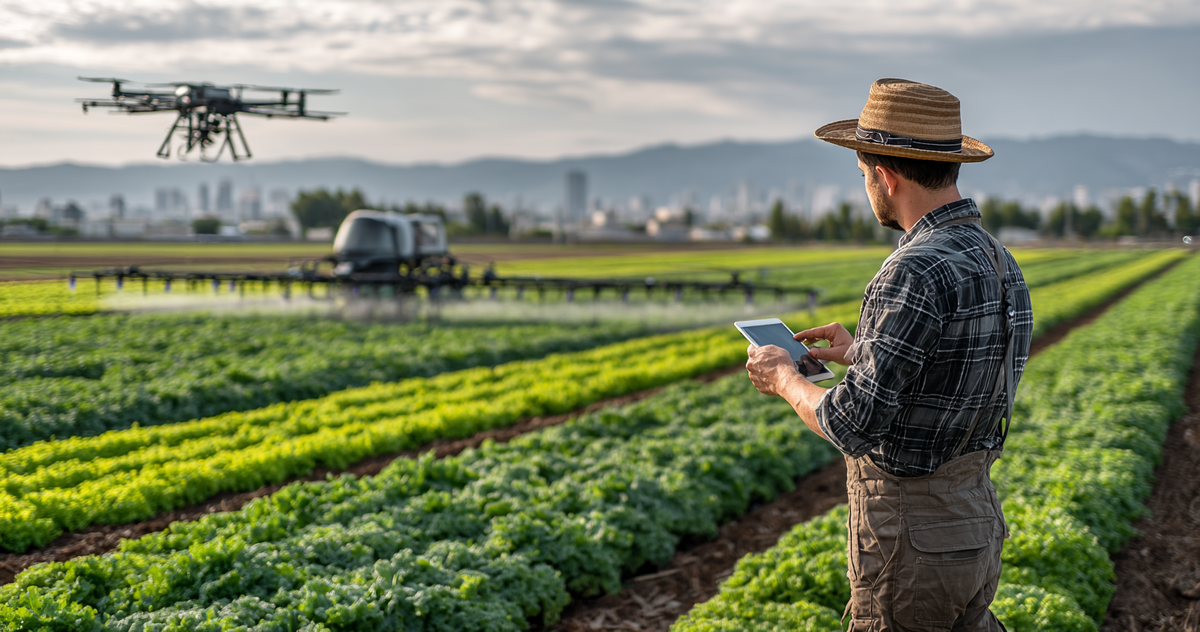
From soil sensors and drone mapping to AI-driven decisions and genetic precision — discover how modern farming became high-tech engineering that feeds the world smarter and more sustainably.
Hey folks, it’s your Engineering Uncle here! For thousands of years, farming was viewed as simple peasantry — hard manual labor, dependence on unpredictable weather, basic tools, and a lot of hope. But in the 21st century, farming has transformed into one of the most advanced, data-driven sciences on Earth. It now combines physics, biology, chemistry, computer engineering, and artificial intelligence to produce more food with fewer resources.
This isn’t just an upgrade — it’s a complete revolution.
From Traditional Peasantry to Precision Science
Traditional farming relied on generational knowledge, intuition, and broad application of inputs across entire fields. Modern farming uses precision agriculture — treating every square meter differently based on real-time data. The goal is simple but powerful: apply exactly what the crop needs, exactly when and where it needs it.
Recent studies show impressive results:
- 5–8% higher crop yields
- 8% less fertilizer use
- 9% reduction in herbicides
- 5–15% less water consumption
- Significant fuel savings
These numbers add up fast on a 1,000-acre farm.
The Core Technologies Driving the Science
1. Sensors & Real-Time Soil Intelligence
Networks of ground sensors continuously monitor soil moisture, pH, nutrient levels (nitrogen, phosphorus, potassium), temperature, and even microbial activity. This data feeds into cloud platforms that create hyper-local maps. Farmers no longer guess — they know exactly what each zone in the field needs.
2. GPS, Satellite & Variable Rate Technology (VRT)
Tractors guided by RTK-GPS (centimeter accuracy) automatically adjust seeding rates, fertilizer application, and spray volumes as they drive. A single pass can deliver different amounts across the same field. This reduces waste and boosts efficiency dramatically.
3. Drones & Aerial Intelligence
Multispectral cameras on drones capture Normalized Difference Vegetation Index (NDVI) images that reveal crop health, water stress, nutrient deficiencies, and pest outbreaks before they’re visible to the naked eye. AI processes these images in minutes and recommends targeted action.
4. Artificial Intelligence & Predictive Analytics
Machine learning models analyze weather forecasts, historical data, sensor inputs, and drone imagery to predict disease risk, optimal harvest windows, and even market prices. Some systems now make autonomous decisions on irrigation timing or fertilizer application.
5. Robotics & Automation
Autonomous tractors, robotic weeders that use lasers or precise mechanical blades to eliminate individual weeds (cutting herbicide use by up to 80% in some cases), and harvesting robots are becoming mainstream. In greenhouses and high-value crops, fully automated systems handle planting, monitoring, and picking.
6. Genetic Engineering & Biotechnology
Tools like CRISPR allow precise gene editing for drought resistance, higher nutritional value, pest resistance, and better yields without the older controversies of GMOs. These crops need fewer inputs while producing more.
Sustainability & The 2050 Challenge
The world needs to feed nearly 10 billion people by 2050 while facing climate change, water scarcity, and limited new farmland. Precision farming is one of the best tools we have. By using resources more efficiently, it reduces environmental impact — less runoff into rivers, lower greenhouse gas emissions from over-application of fertilizers, and better soil health for future generations.
Vertical farming, controlled environment agriculture, and in-field robotics are pushing the boundaries even further, especially in urban and arid regions.
The Human Side
Today’s successful farmer is part engineer, part data scientist, and part biologist. They still need the deep traditional knowledge of the land — but now they combine it with dashboards, algorithms, and high-tech tools.
Farming as a science isn’t about replacing farmers — it’s about empowering them to do their job better, more profitably, and more sustainably.
Your Engineering Uncle is optimistic. With continued innovation in precision ag, we can feed the world while healing the planet. That’s the kind of smart engineering we need.
Stay curious, support scientific farming, and remember: the food on your table is now backed by serious science and brilliant engineers.
FAQ (SEO/AEO Optimized)
Why is modern farming considered a science now?
It uses precision data, sensors, AI, genetics, and engineering instead of traditional trial-and-error methods.
What is precision agriculture?
Applying water, fertilizer, and pesticides exactly where and when needed using GPS, sensors, and data analytics.
How do drones help in scientific farming?
They scan crops for health issues, pests, and water stress, feeding real-time data to AI systems.
Can modern farming use less water and chemicals?
Yes — precision tools can reduce water use by 5–30% (or more with advanced irrigation) and cut chemical applications significantly.
What role does AI play in farming?
AI analyzes data from sensors and drones to predict problems and optimize every decision on the farm.
How does precision farming help feed the world by 2050?
It increases yields while reducing inputs, making food production more sustainable for a growing population.